
Changemakers: Trashy
19-Mar-2026
By transforming styrofoam waste into concrete aggregate, Laura Olson — founder of Trashy — is demonstrating that the materials we write off as worthless can become the foundation of something beautiful and durable. "Sustainability is like anything else," she says. "If you try to be perfect at the start, you miss an opportunity to make meaningful progress.
Interview #15 in the Changemakers series
In this interview, we explore how Laura is rethinking concrete. By redirecting landfill-bound waste into architectural surfaces and outdoor furniture, she is building a materials-first company that expresses itself through design.
This is the 15th in our Changemakers series – interviews with leaders in sustainable, circular and regenerative approaches in the furniture industry. Our aim is to uncover the nuts and bolts of how each leader is driving change, the potential it holds, and why it matters to the industry.
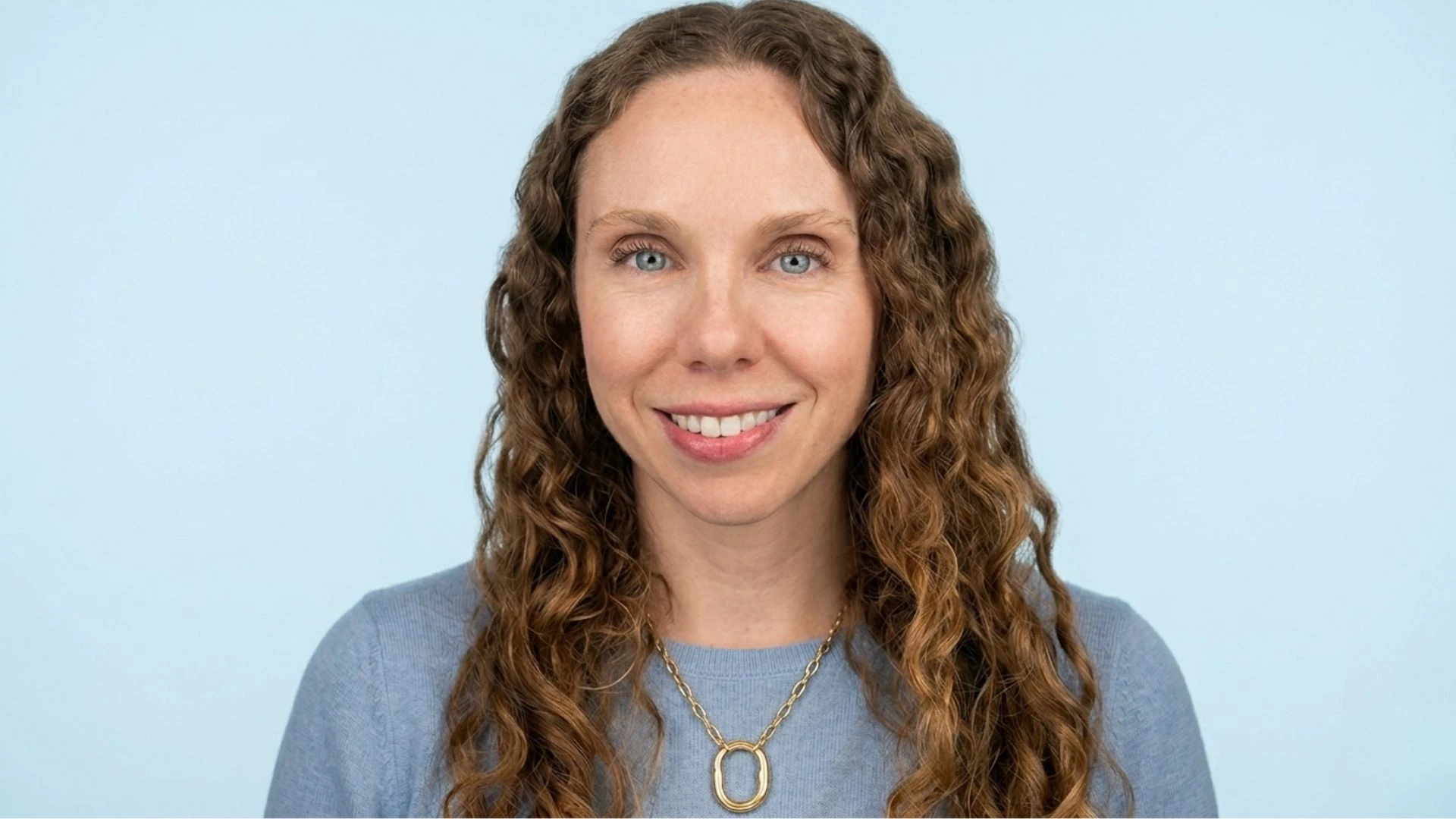
Laura Olson
mebl: Hi Laura -- what is Trashy?
Laura Olson: In the big picture, we see our company’s mission as redesigning landfill-bound materials. More specifically, we create durable, beautiful site furnishings from discarded Styrofoam and glass – transforming them into innovative furniture and other concrete products.
Trashy is developing lighter-weight concrete products that challenge what people expect from waste-based materials. We offer two distinct materials – a lightweight concrete, made of recycled Styrofoam, which is up to one-third lighter than traditional concrete, and a low-carbon concrete made of finely ground post-consumer glass.
mebl: How do you know you’re making a difference?
Laura: For every cubic foot of Trashy concrete, we repurpose about 40-50 cubic feet of Styrofoam. I sometimes joke – even if you buy a piece of our furniture solely to throw it in the trash – you'd still be reducing landfill volume by 40x !
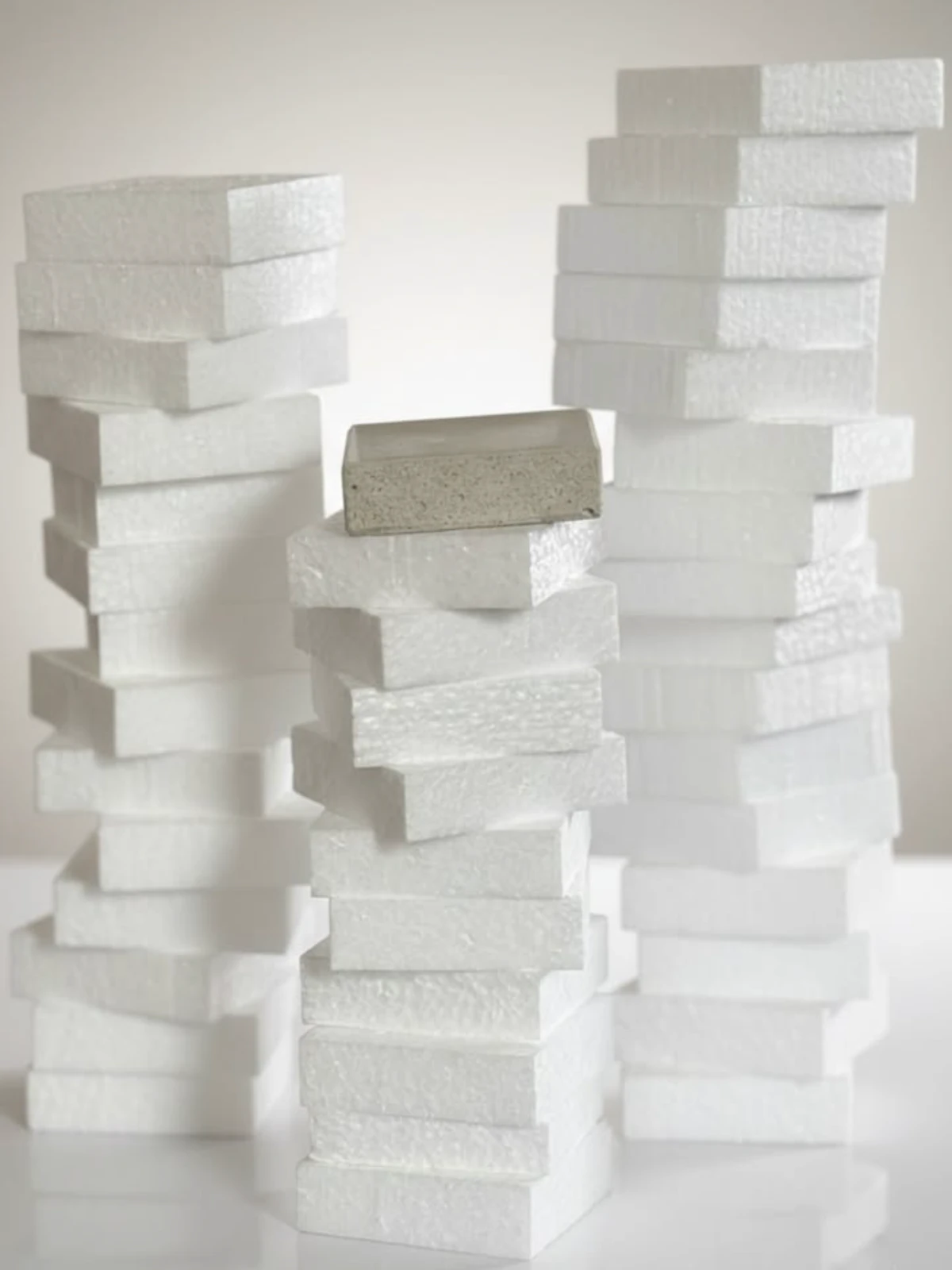
Trashy’s concrete mix is one-third lighter than traditional concrete and reduces landfill waste by repurposing densified, ground-up Styrofoam.
mebl: Let’s take a step back – tell us about yourself and the founding of Trashy.
Laura: I have always been passionate about the environment. I attended Girl Scout beach cleanups as a kid. In college, I studied environmental policy, planted trees over spring break, and led the environmental group at the University of Kansas. Then I worked on water quality issues with AmeriCorps and Princeton University.
Eventually, I joined a software company that had a strong commitment to sustainability. Even though I was young, my role brought me into all the senior-level conversations. We were also early adopters of design thinking and I learned a lot about aligning business with strategy, which has helped tremendously in launching Trashy.
mebl: And how about your focus on trash?
Laura: During my master's program at North Carolina State, I was researching circularity and furniture. I became interested in what people throw away. I was curious, was it really trash? I started going to the dump in Raleigh and observing what people threw away.
From that experience, I met somebody working on a styrofoam / concrete mixture and we started prototyping. I didn’t originally plan to start a company- there were many moments where I thought ‘someone else must be already doing this.’ but it felt like it was the only option to carry on this work and make it real.
So you could say that, for me, launching Trashy was anchored in my childhood moment of asking — Where are the adults solving X problem? There is very little being done about styrofoam waste. I was compelled by the possibility of transforming something we see as purely disposable into something high-quality, beautiful, and useful.
mebl: What's the trick to helping people quickly understand Trashy?
Laura: Anything we make will be from a discarded material. For our concrete, we replace the aggregates with landfill-bound material like glass and styrofoam. Our Styrofoam mix has such a high recycled volume because we’re removing all of the air out of it before we mix it in, so it has this hugely disproportionate amount of recycled content.
mebl: Why styrofoam?
Laura: We all get deliveries with innovative, sustainable packaging alternatives, so I thought surely styrofoam is on its way out.
However, styrofoam use is steadily increasing– and projections show it continuing to rise over the next couple of decades. This irony really struck me. So instead of waiting for styrofoam to disappear, I became interested in the reality of its presence. We turned that problem into our purpose. If styrofoam is not going away anytime soon, how can we give it a second life that adds value?
It’s also a material that is impossible or burdensome for the average person to recycle, and takes up an enormous amount of landfill space. Some estimates say it’s up to 30%.
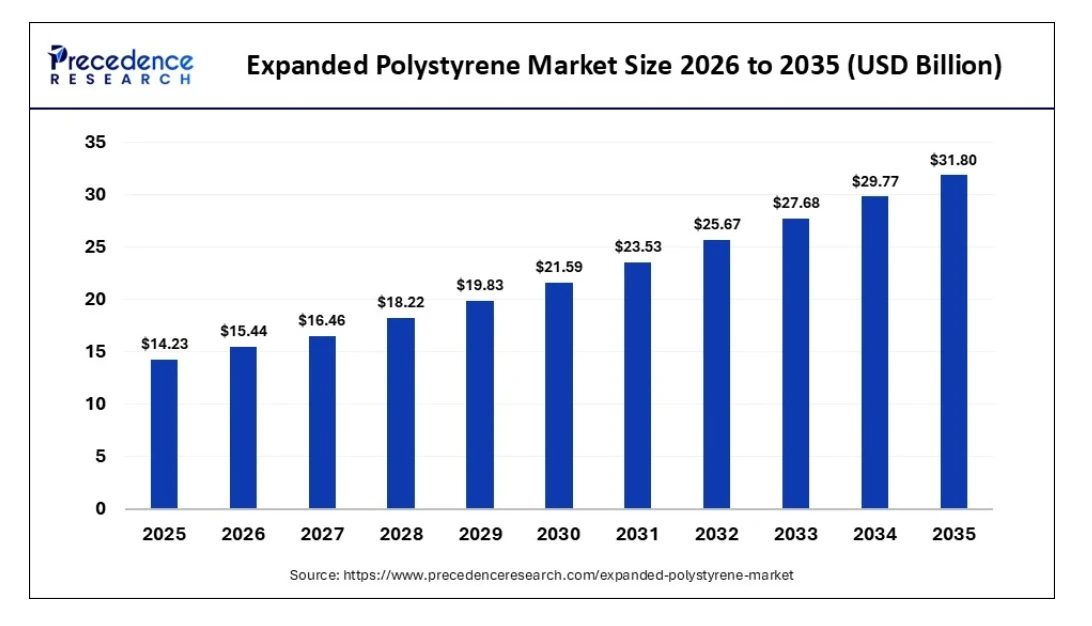 The projected increase of the Polystyrene Market over the next 10 years.
mebl: And why concrete?
Laura: My first collaborator was already experimenting with concrete, so that’s where we began. The more I researched, the more I realized there was a real gap in the market for genuinely sustainable concrete. I kept finding surface-level sustainability claims, with little substantiation. Even companies doing impressive sustainability work in other product categories weren’t as engaged when it came to concrete.
There's enormous room for improvement in concrete for architectural surfaces, furniture, and pre-cast applications. We would love help with structural concrete, as well, someday. We also have someone on our team who is incredibly experienced with Ultra High Performance Concrete (UHPC) mix designs and manufacturing, so that helps us stay focused on concrete.
mebl: Does pursuing perfection ever get in the way of doing good?
Laura: No product is impact-free – we still have cement in our material, which has a high carbon footprint. We're actively working to change that. But sustainability is like anything else: if you try to be perfect at the start, you miss an opportunity to make meaningful progress.
There's often what's ideal, and then there's boots on the ground trying to run a profitable business. What do you need to do to get to the next step? Right now, we need to get this material into projects so we can divert more styrofoam and glass. Deliver a great product with landfill bound materials. That's the goal. The rest we'll figure out as we go.
mebl: What are some big creative or technical challenges when working with a waste stream?
Laura: What's most exciting about concrete is the ability to create three-dimensional pieces. You can't necessarily do that with other materials.
But then the biggest challenge is tooling costs, particularly molds. A good mold, cared for properly, can produce hundreds or even thousands of casts — but the upfront investment is significant. So product design has to stay iterative.
mebl: Is ‘Based in Asheville, North Carolina’ central to your brand?
Laura: Our mission resonates with people in Asheville. North Carolina is a great home for us. As we scale we will be thoughtful about growing in one location versus multiple, or working with partners around the country to make Trashy architectural concrete products regionally. It's a heavy material and the closer we can make it to where it's being delivered, the better.
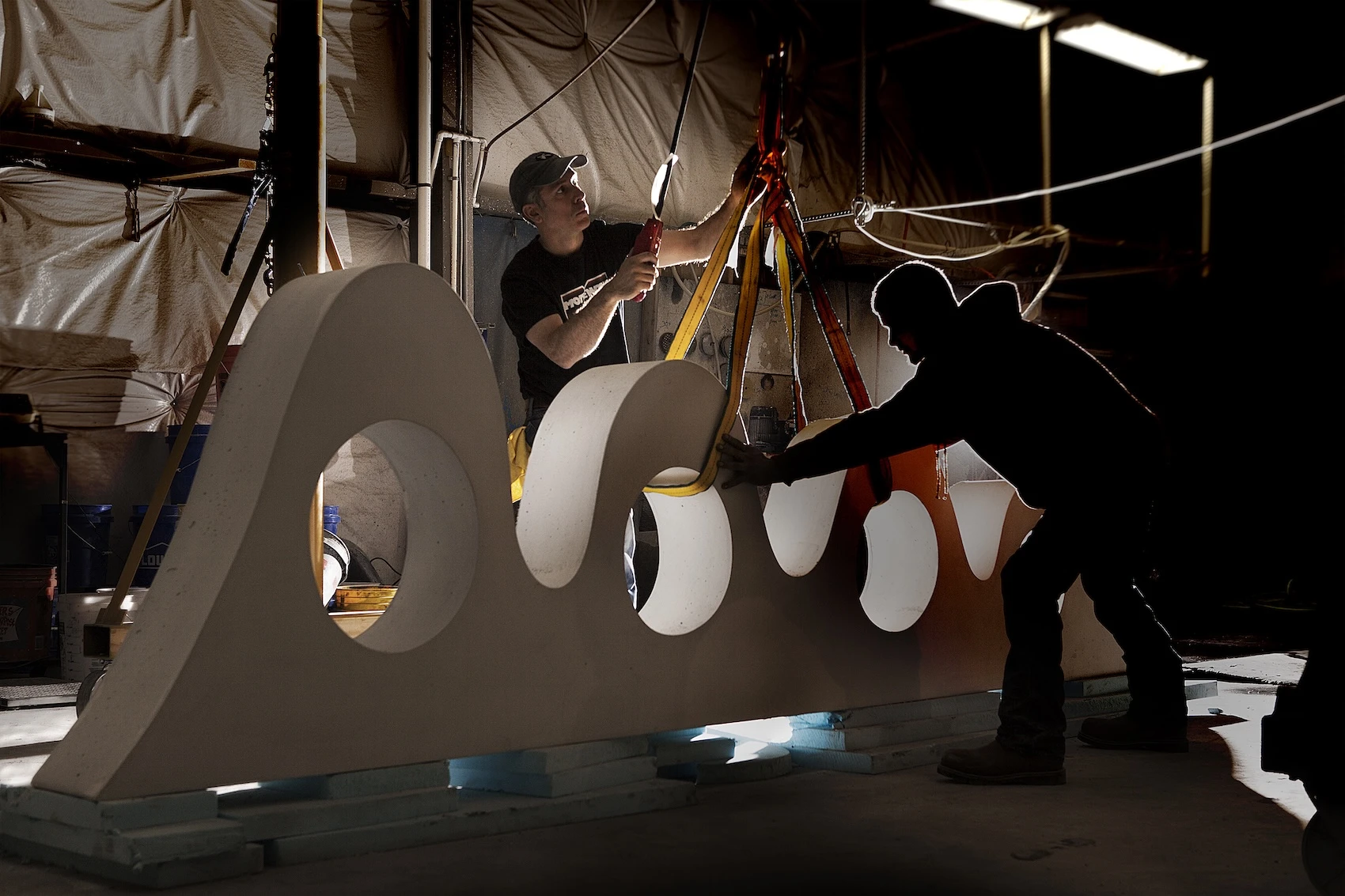
mebl: How do you arrive at a furniture model — a bench, a planter — people will actually want to buy?
Laura: That's part of why we started with just three lines — beginning with the Dune series and building out from there. We wanted to bring something coherent to market.
Last May, at the huge International Contemporary Furniture Fair (ICFF) in New York City, we were thrilled to receive the 2025 Next Generation of Originality Award: Emerging Designer from Be Original Americas.
That really helped put us in front of people, allowing us to see which products they connect with emotionally and aesthetically. This type of ‘meet the market’ experience helps guide future investment decisions, such as which mold sizes or product forms to develop next. Visiting potential collaborators, like designers and architects, helps as well. In-person conversations are what gives us direction. Understanding their needs and challenges is key in being able to help.
mebl: What’s a concrete example (no pun intended) of how ICFF recognition has boosted your business prospects?
Laura: It comes up in almost every meeting now. For anyone in the industry, the Emerging Designer award at ICFF is great recognition.
One example – one of the ICFF judges liked our work so much that he brought us into his ongoing OEM (Original Equipment Manufacturer) conversations with one of the big three furniture manufacturers. So the ICFF and Be Original Americas recognition is definitely meaningful, and it’s always fun to be there as an attendee or as an exhibitor.
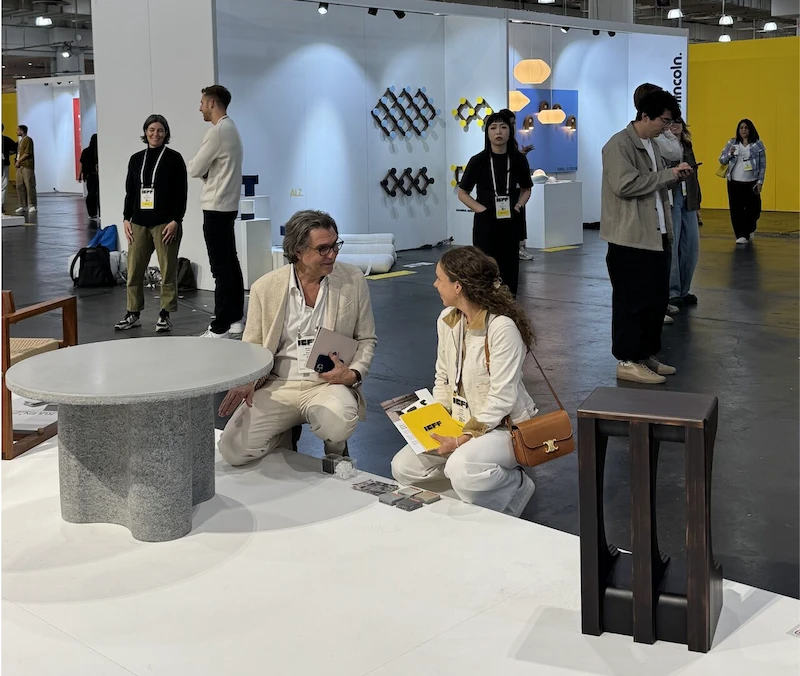
Laura Olson in conversation at ICFF 2024, with Trashy's Wave of Change collection on display.
mebl: How important is it to define Trashy — a concrete company, a materials company, a furniture company?
Laura: Since ICFF, people have continued to ask me – Are you a materials company or a furniture company? At core, we're focused on making great materials. We use our passion for design and high-quality furniture to express the materials we're developing and make them useful.
That's really the starting point of Trashy-- every product we make contains material that was landfill-bound or recycled. Furniture and outdoor furnishings are how we bring that to life, but the material is always where we begin.
mebl: To truly address waste, where does the furniture and design industry need greater innovation?
Laura: Making ‘design for disassembly’ mandatory would be a good, practical starting point. This principle says that a product should be just as easy to take apart as it is to put together — enabling reconfiguration, simpler transport, and meaningful next use. Carefully designed products can be partially or fully disassembled to recover materials, retain value, and adapt to future needs.
Government could also play a role in setting clearer design parameters — around material health, VOCs, and long-term performance. It feels backwards that companies trying to reduce impact have to spend so much money on certifications to prove they’re doing so.
If anything, it should be the opposite: products that create more pollution or are designed to fail quickly should carry higher costs. Right now, there is a disproportionate burden placed on responsible companies.
mebl: What helps you stay inspired in your work?
Laura: In my 20s and 30s, I did a lot of reflection on purpose. It kept coming back to sustainability! Actually working on that, even with all the ups and downs of a startup, feels right.
It feels very vulnerable to put an idea out there and hope people care! But the reception to Trashy has been incredibly encouraging. Even people who haven’t purchased our products yet are rooting for us. There’s a sense that people want to see us succeed - maybe hoping that their styrofoam ends up in a product instead of the landfill.
That belief in our mission, and the feeling that we’re not alone in it, keeps me moving forward and through the uncomfortable, unfamiliar parts of building something new.
--> READ more Changemaker Interviews here.