
The Multiple Lives of Furniture
10-Jul-2026
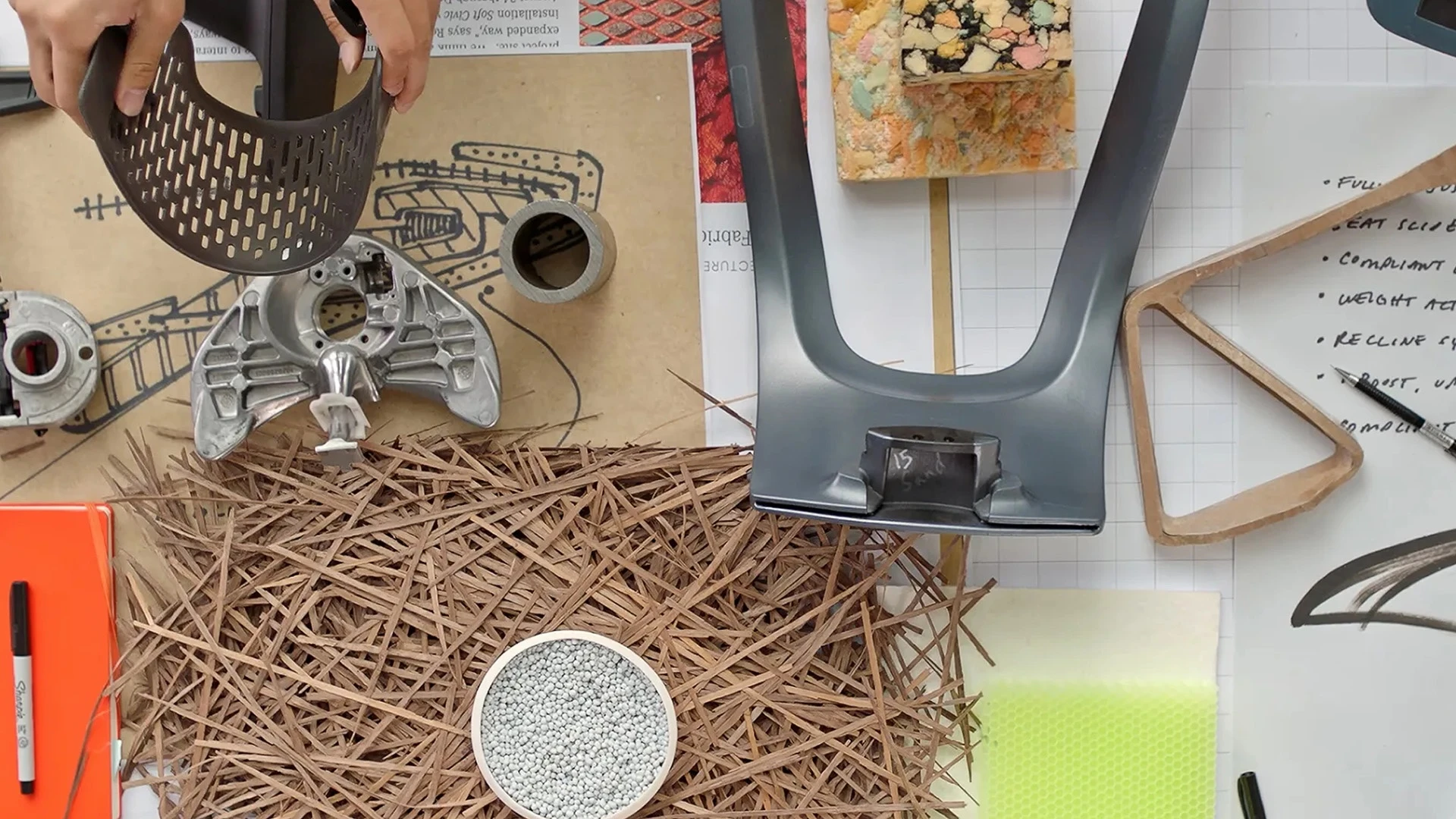
Photo Courtesy of Steelcase
What’s the secret to furniture that endures?
Furniture longevity depends on a combination of factors. Historically, furniture that lasts across generations refers to handcrafted, one-of-a-kind pieces built so well that they stay in excellent condition and ‘remain in the family.’ Think of unique hand-built artworks, think of joinery and solid material, not designed for standardization or component replacement.
By contrast, in today’s mass-produced era, furniture that lasts across generations often means something quite different. Today, key to furniture that endures are circular design and manufacturing principles that rely on standardized materials, screwed (not bonded) assemblies, and replaceable parts that can be repaired over time. This approach enables durability at scale while keeping furniture in use longer.
To learn more, explore our Action Guide to discover how circular design in furniture creates more resilient and resource-efficient systems.
The unfortunate reality is that the majority of contemporary furniture follows neither yesterday’s nor today’s definition of lasting across generations. Rather, it leans heavily on adhesives, engineered wood, thin veneers, hidden and highly specific components. This problem has only worsened with the rise of fast furniture, which accelerated significantly during the COVID-19 pandemic.
While solid wood furniture, for example, can often be sanded and repaired, pieces made from particle board (“agglo”) and covered with veneer (“laminate” or “melamine”) are far more difficult to repair and, given their low cost, customers rarely consider doing so.
The data reflects this reality. The US Environmental Protection Agency (EPA) estimates that 9 million tons of furniture are discarded in the United States each year, with the volume increasing significantly during the pandemic -- surpassing 12 million tons.
In this article, the second in our LONG LIVE FURNITURE! series, we explore how furniture can - and should - circulate, to live a longer and more diverse life. Through real case studies and practical circular design strategies, we introduce four actionable pathways: design for longevity, right to repair, circular business models, and closing the loop.
Design for Longevity: Every Decision Matters
How a product is conceived, assembled and serviced determines whether it can adapt to changing needs over time -- or readily becomes obsolete. Designing for modularity, reparability and disassembly allows furniture to evolve as people’s and companies’ needs and space configurations change. Key ingredients for adaptability are the availability of replacement parts and upgrades, and easy opportunities for reconfiguration and maintenance -- rather than complete disposal.
Floyd, for instance, is a company that has built its furniture system to evolve alongside customers’ needs and lifestyles. Everything started with a single product, the Floyd Leg, which reimagined a traditional table leg by combining an age-old device -- a clamp -- with a design that allows users to create a table from virtually any flat surface.
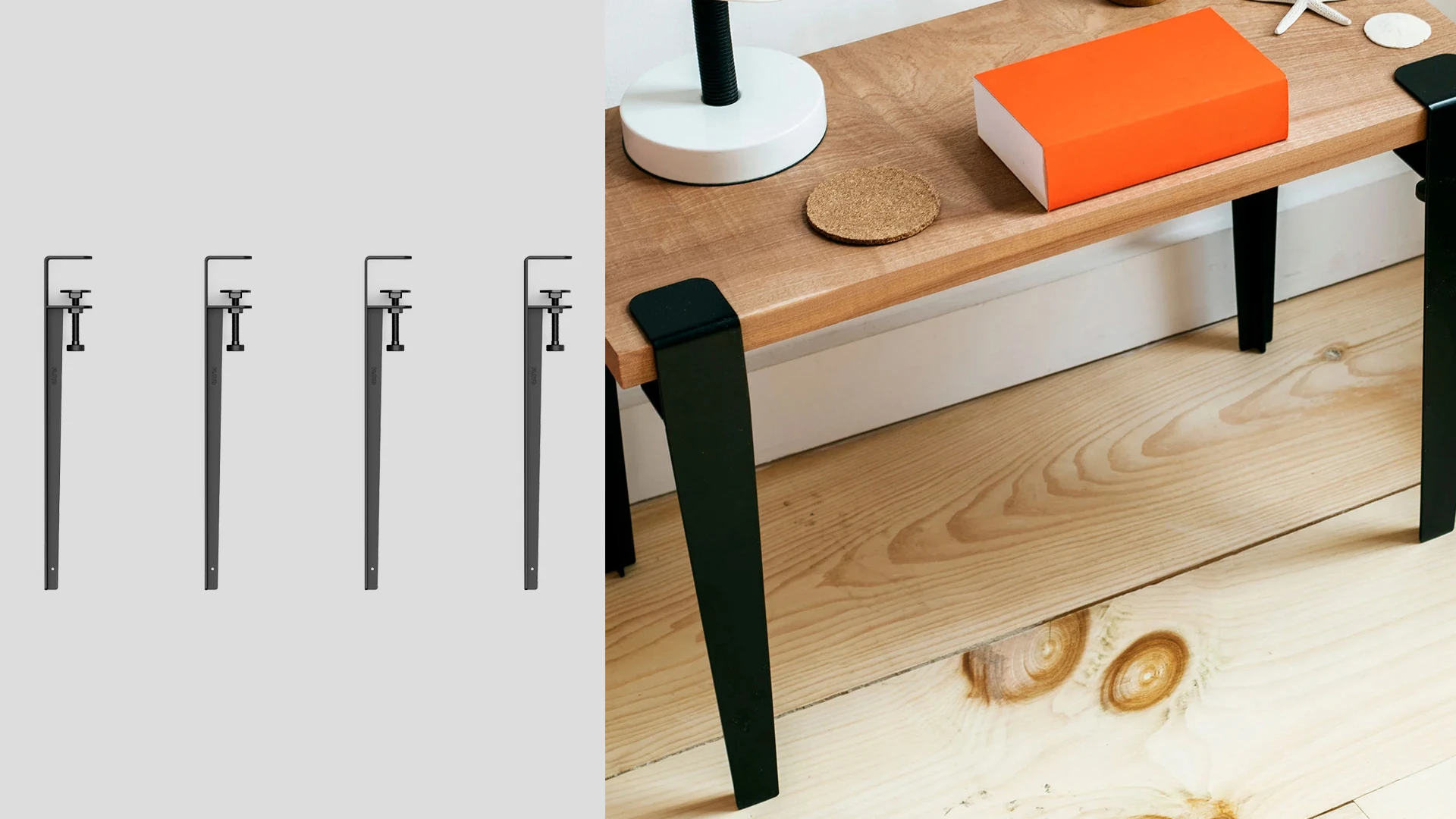
Left: the original Floyd Leg (Kickstarter prototype, 2014). Right: the Floyd Leg today, in use on a table.
From this simple yet versatile concept, Floyd -- based in Detroit -- has grown into a full furniture brand offering beds, sofas, tables and shelving systems designed as modular platforms that can be expanded, reconfigured and upgraded over time -- rather than replaced.
Floyd’s bed frame, for example, enlarges from a smaller to a larger size through expansion kits, with accessories such as headboards, bedside tables and under-bed storage to be added years after the initial purchase. The company’s shelving and seating systems offer interchangeable components and replaceable parts, allowing for repair and upgrades. All products are designed for tool-free assembly and disassembly, making them easier to move, repair and modify.
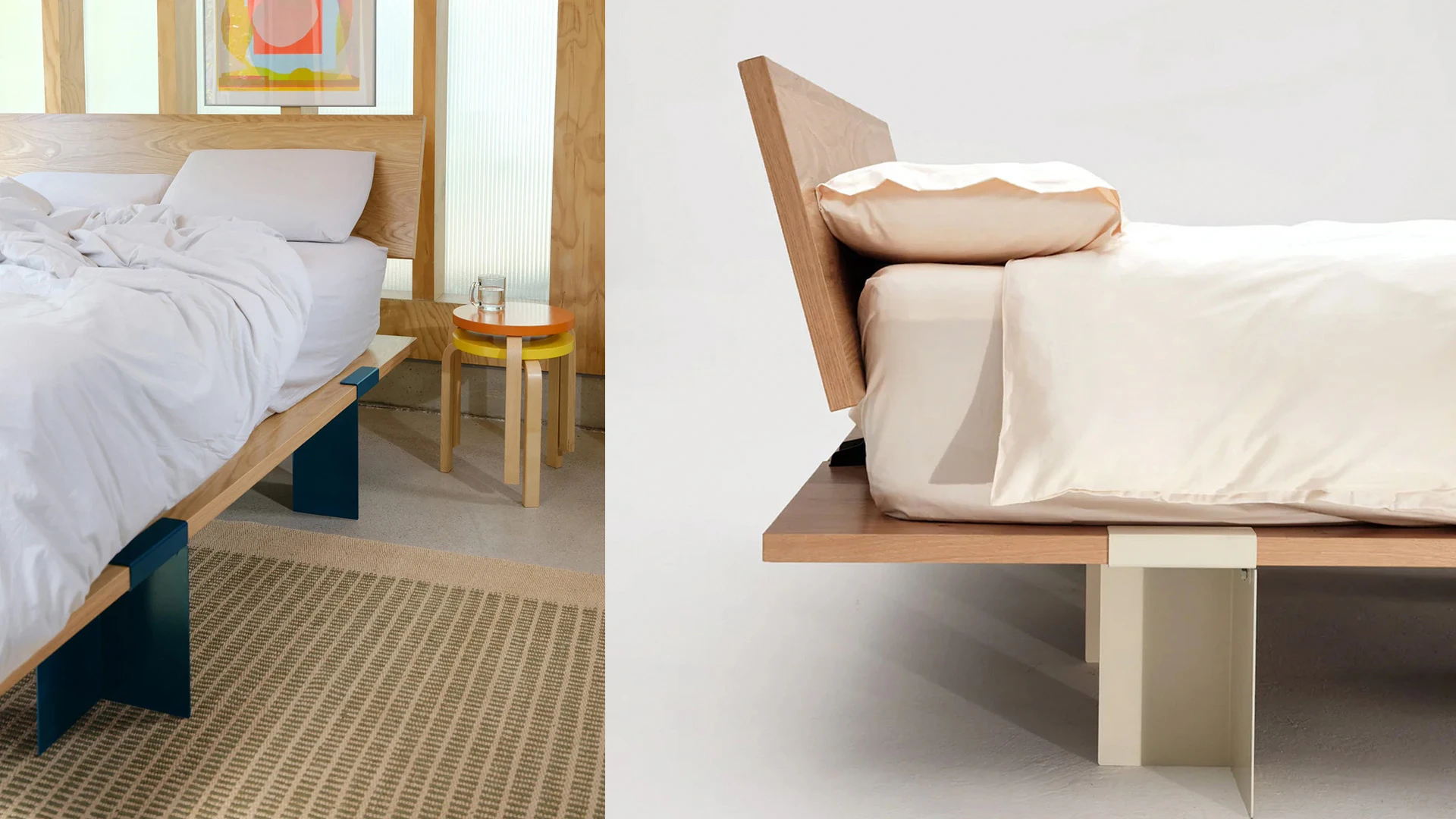
The Floyd Bed - Original - is customizable, with bed panels that can be added or removed to expand or reduce the size of the frame, as needed.
Similarly, San Francisco-based Thuma combines Japanese joinery with modular design. Japanese joinery is a traditional woodworking technique that solidly connects wood pieces using precisely cut interlocking joints -- without nails, screws, or adhesives. This technique, combined with modularity, allows Thuma's beds, shelving, storage units and sofas to be easily reconfigured, expanded or relocated.
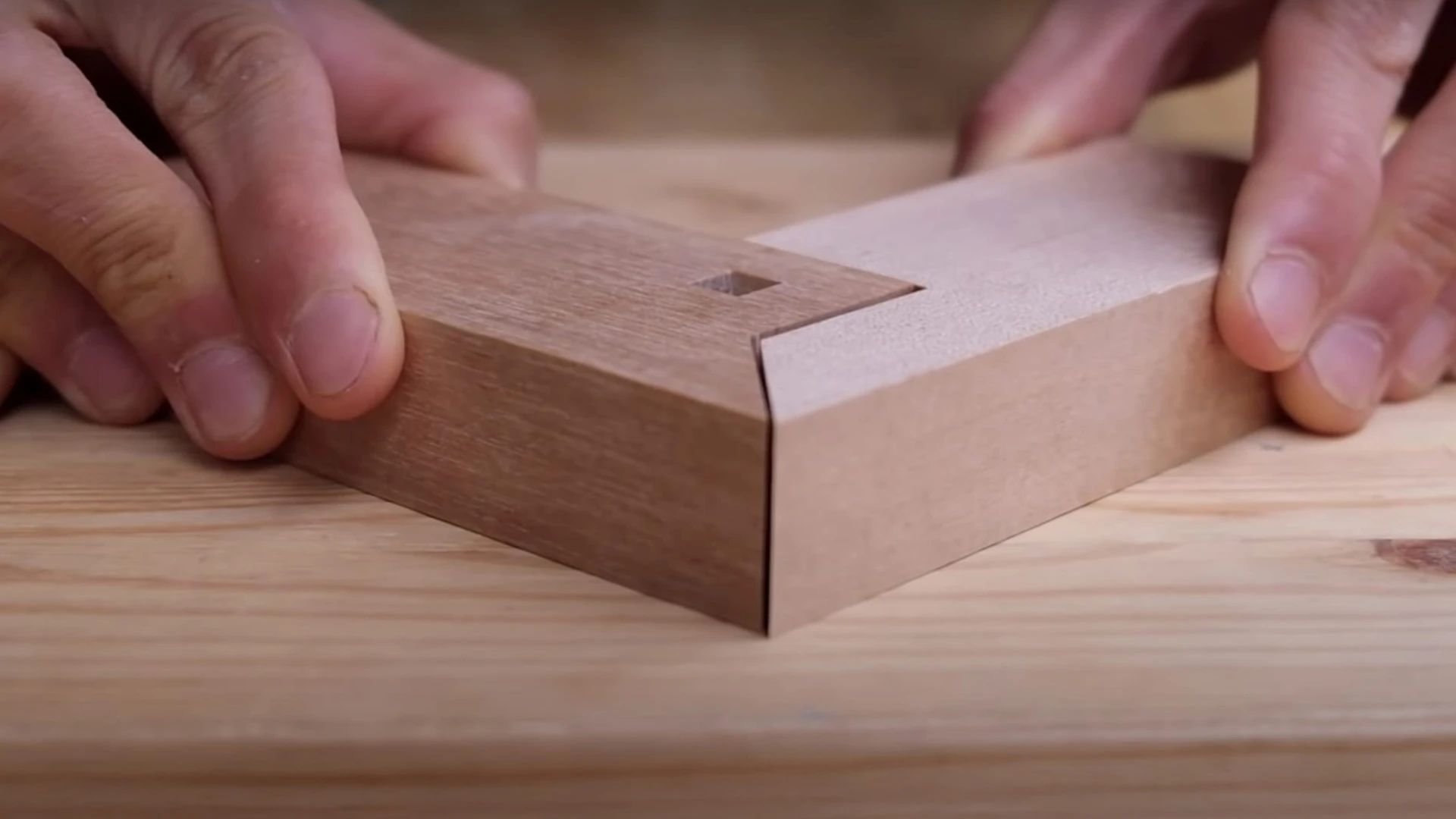
Traditional Japanese wood joinery uses notches in slabs of timber so that the surfaces lock, forming a sturdy structure.
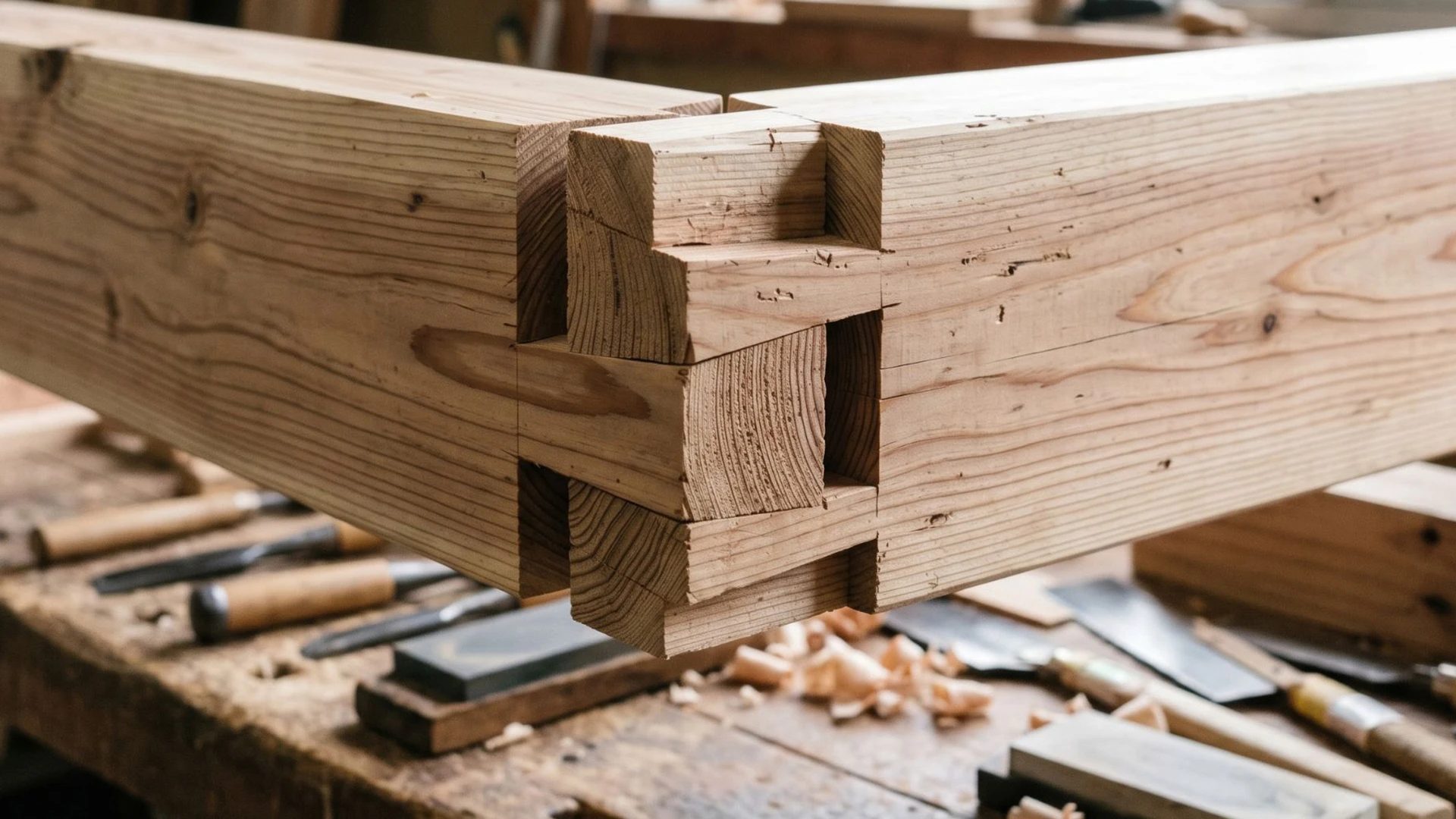
Japanese joinery allows pieces of wood to become one without a single nail, screw, or glue.
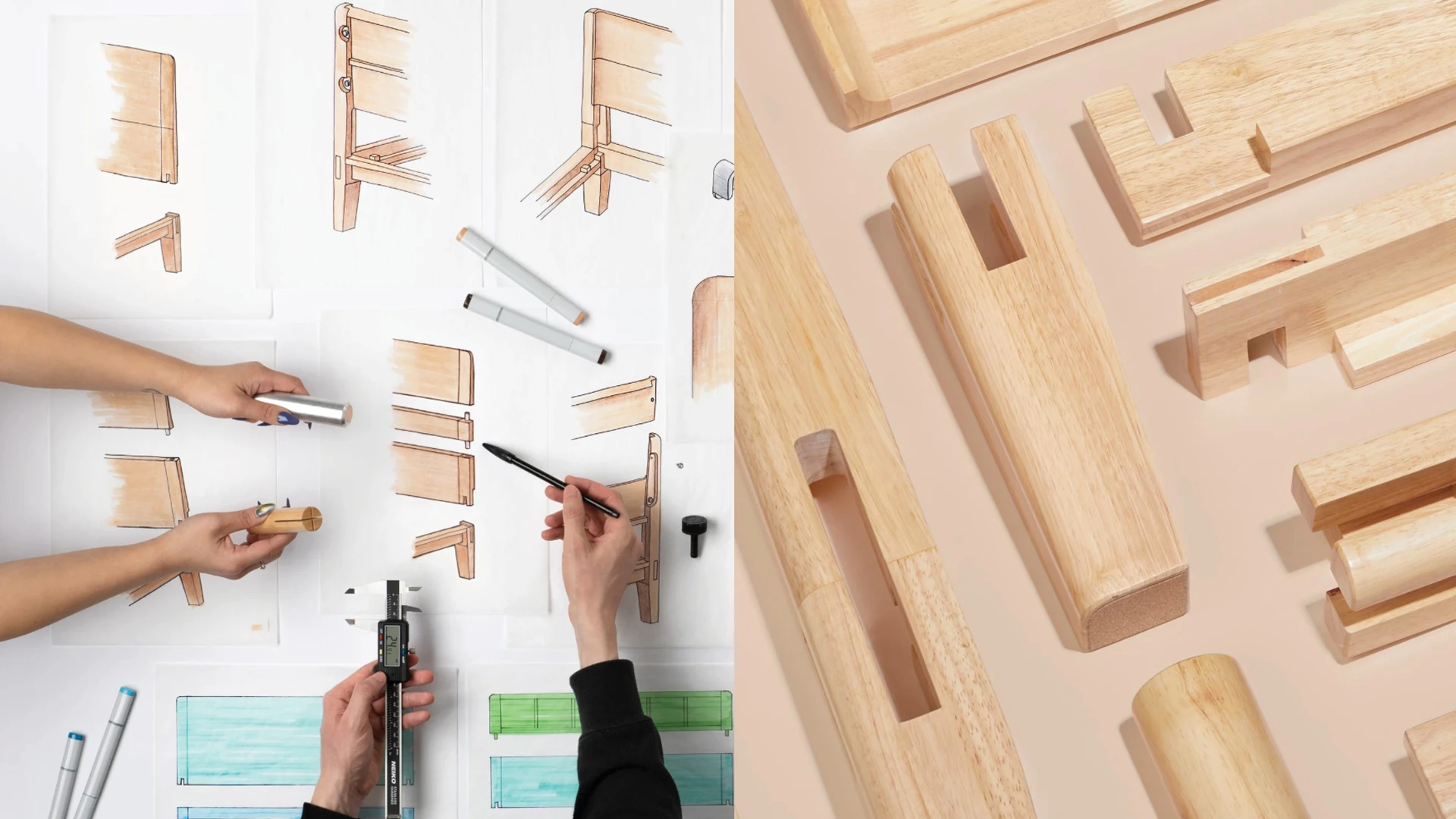
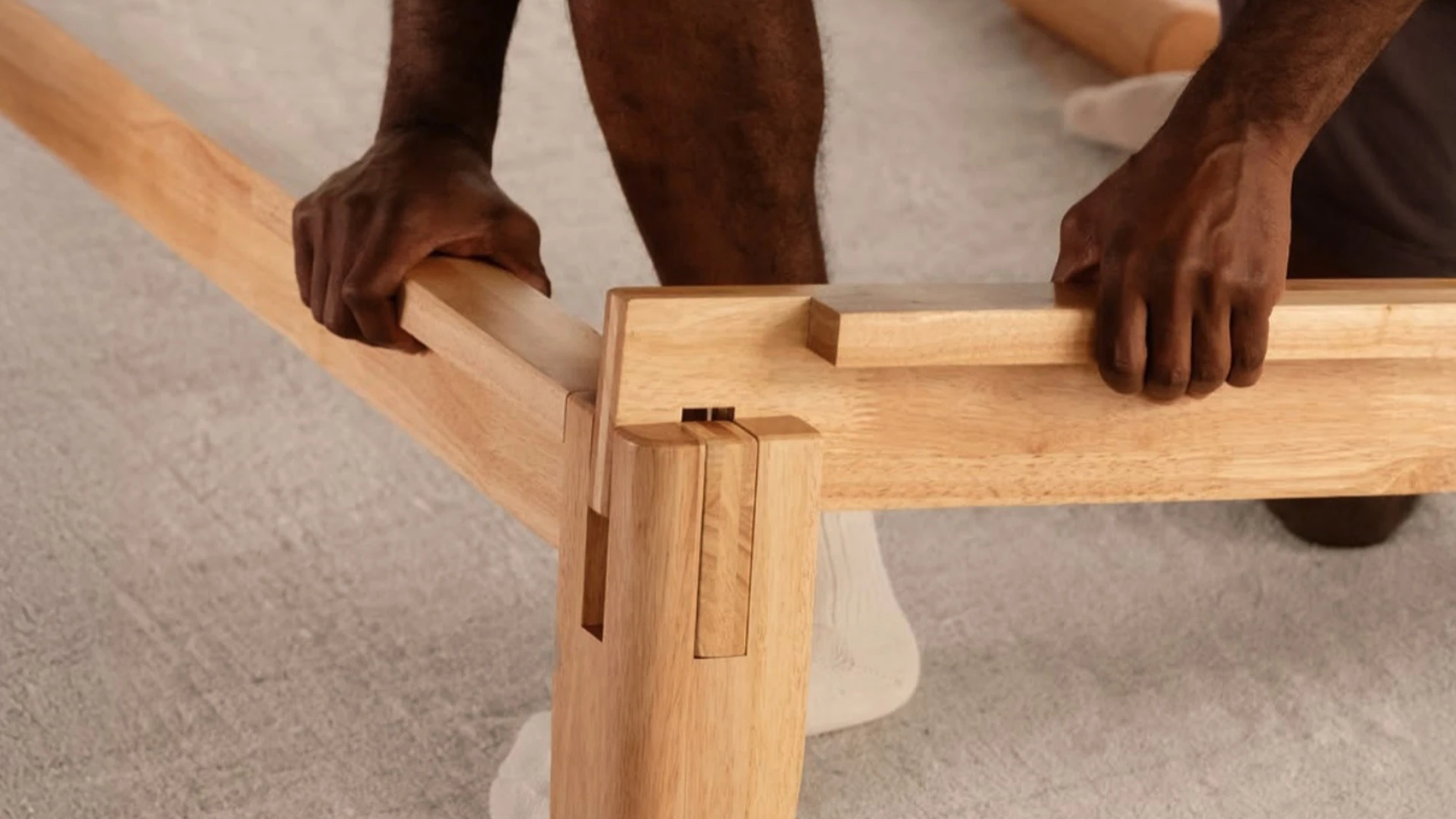
Thuma uses modularity and Japanese joinery to create flexible, expandable furniture.
Top left: sketches of bedframes. Top right: bedframe components inspired by Japanese woodworking. Bottom: assembling the bedframe.
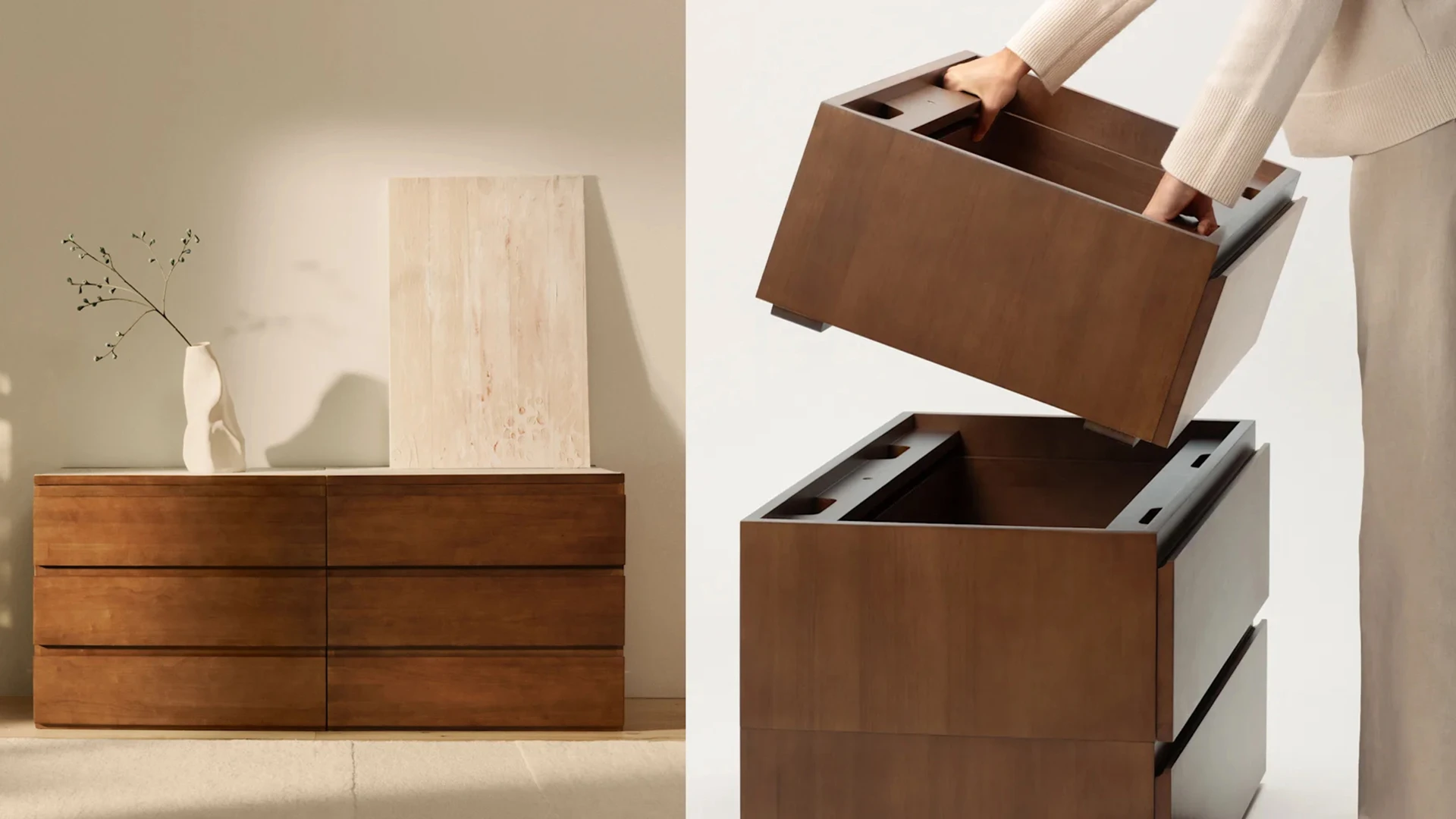
Japanese joinery enables adaptability in Thuma’s furniture. Structural connections replacing visible hardware.
Shifting to Europe, Studio Moto combines aluminum -- a highly durable and 100% recyclable material -- with modular design. Moto’s Stack furniture clicks together, without screws or hardware, while offering numerous configurations. “Two round aluminum plates make a handy coffee table,” explains the studio, based in Belgium. “And when you place six of them on top of each other, you get a totem that can be used as a pedestal or as presentation furniture.”
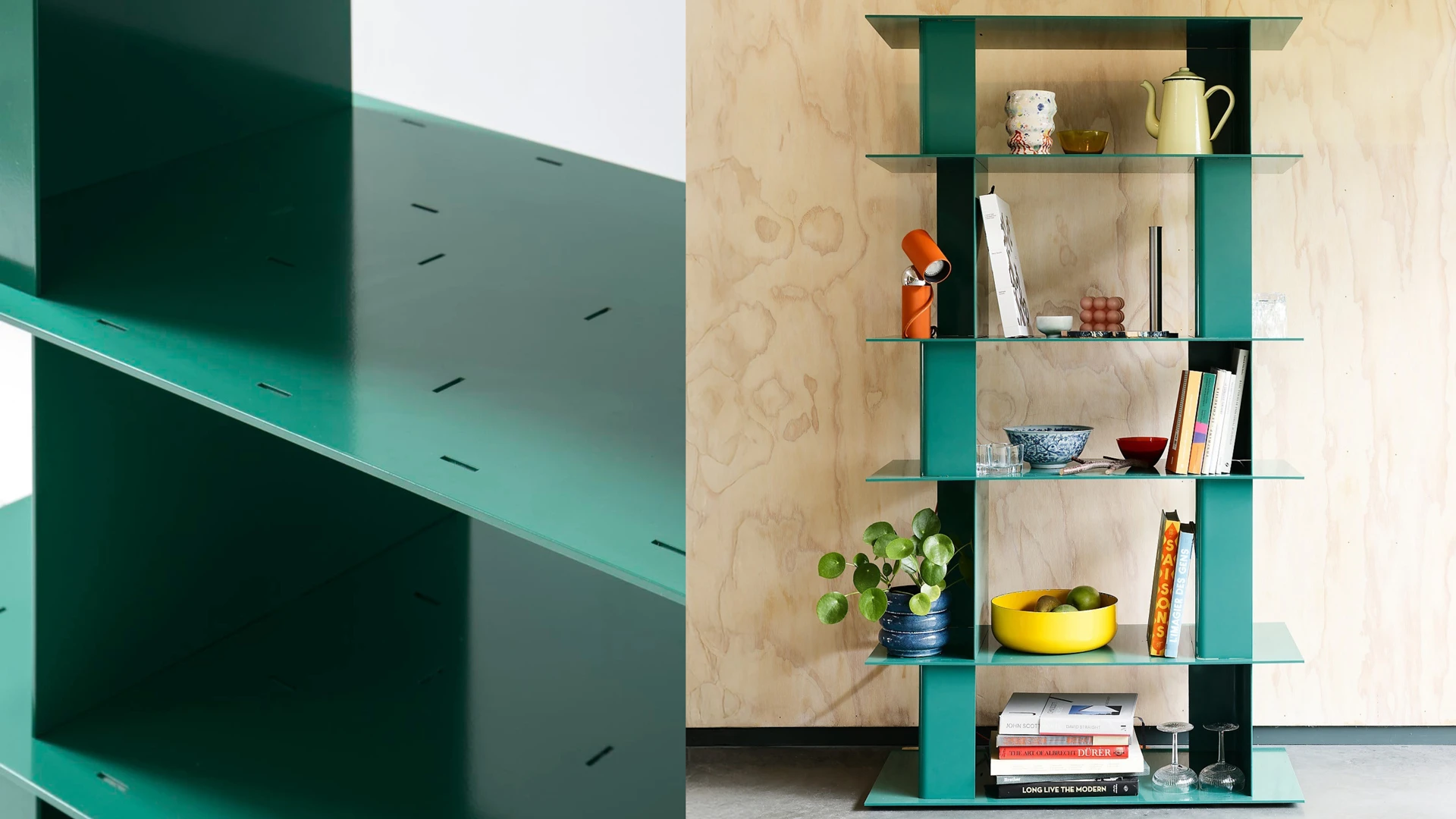
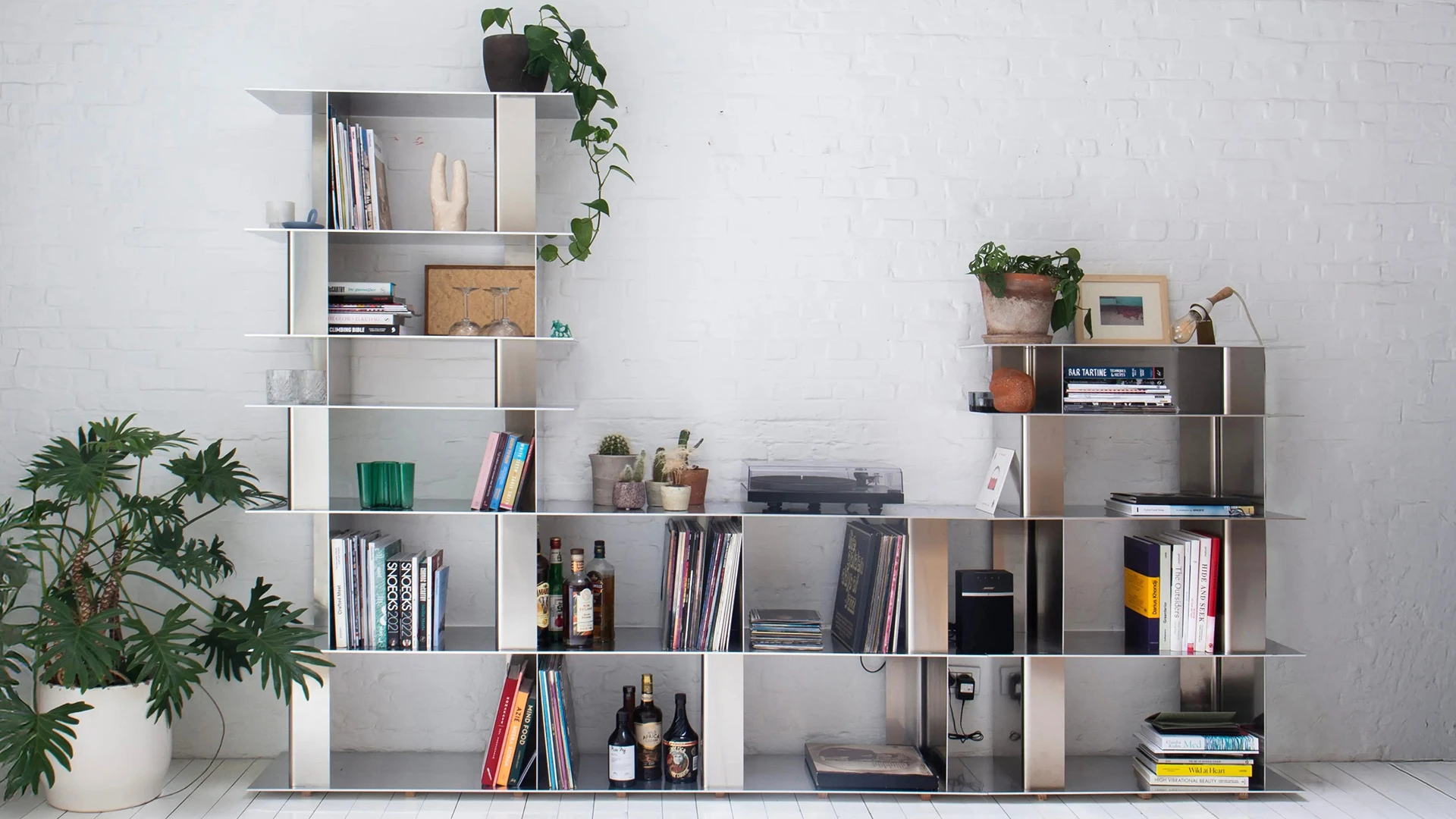
The Stack modular furniture system can be assembled without tools or screws.
In the same spirit, Swedish furniture company Blå Station challenged designers Johan Lindau, Stefan Borselius and Thomas Bernstrand to create a chair that would minimize waste while maximizing versatility. “The design brief for ABLE,” notes the studio, “specified multifunctionality, with playful yet changeable construction, all while 100% recyclable.”
ABLE was designed for complete disassembly -- every element can be replaced, repaired, or refreshed. Customers can order new parts and add-on elements directly from Blå Station's website. This makes it easy for users to add wheels, swap armrests for a fresh finish, or update the color scheme.
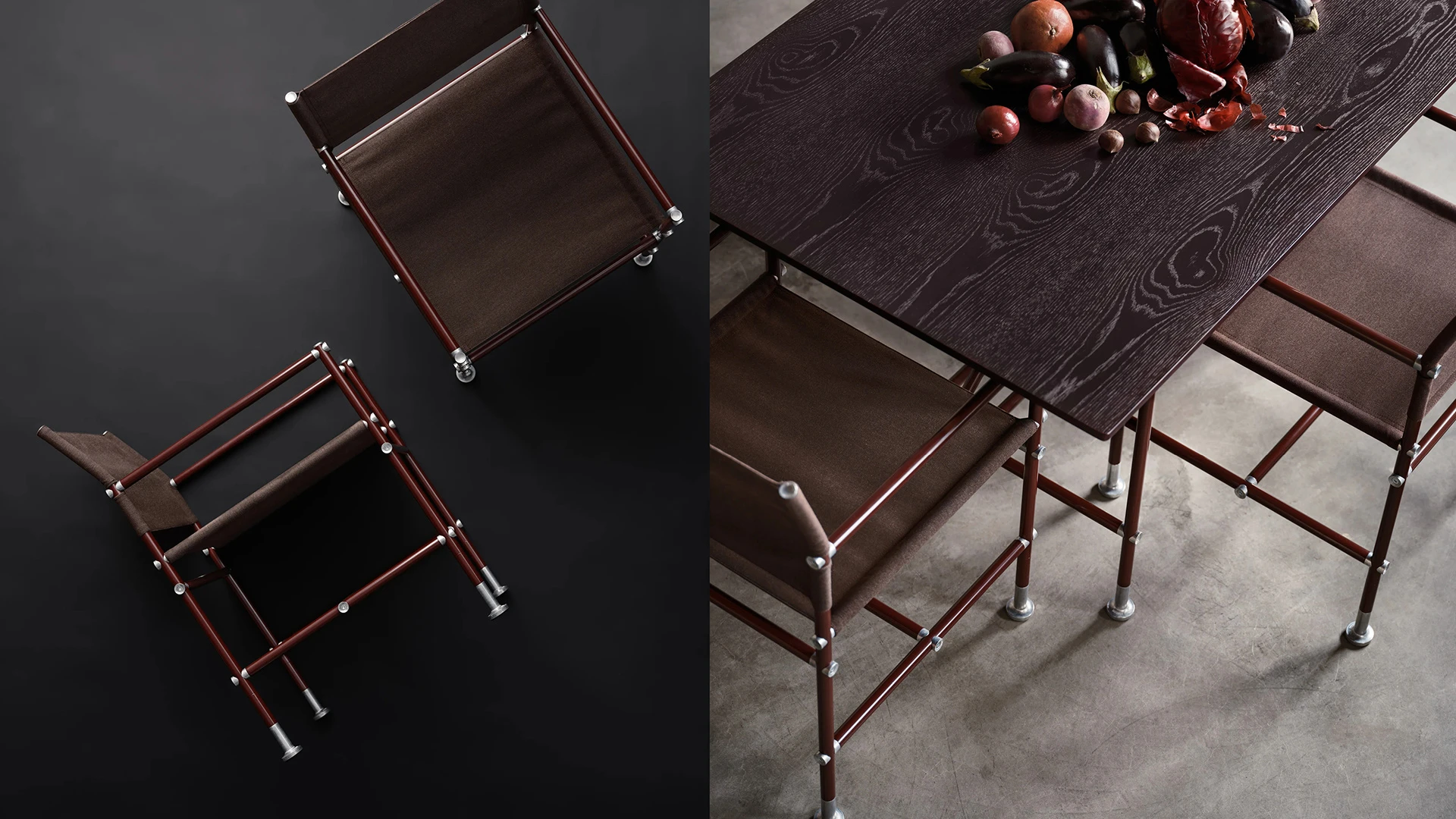
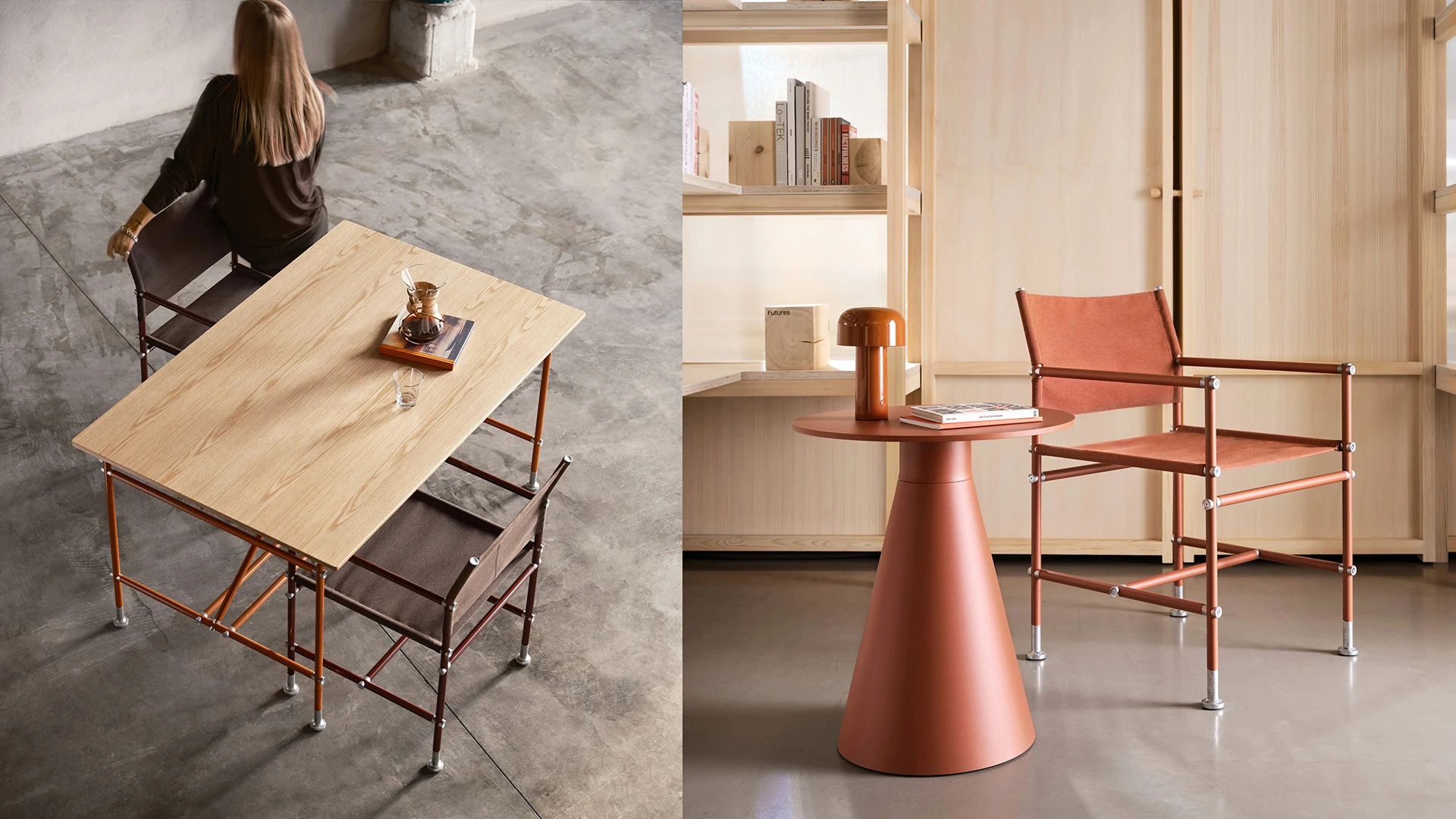
The ABLE Chair & Table is based on circular-design strategies: mono-material construction, screw-based assembly without adhesives, and interchangeable components.
What connects all these brands is a shared understanding that longevity begins at the design stage. By creating furniture that can adapt, be repaired and evolve over time, these companies extend product lifespans, reduce waste and keep valuable materials in circulation for longer.
The Right to Repair: Building a Culture of Care
The ‘right-to-repair’ movement advocates for ready access to spare parts and information on repair and repair services. The central idea -- applicable across industries ranging from smart phones to vehicles to furniture -- is that companies take responsibility for orienting their products toward repairability -- versus disposability.
Repair cafes are among the most active examples of this growing repair culture. Founded in the Netherlands, these cafes are now active in more than 37 countries, including the US. They offer free community workshops and bring volunteers together to help people repair broken furniture, household goods, bicycles and electronics.
Visitors bring broken items to the cafe, which offers repair specialists as part of a collective and ongoing learning process.
Beyond grassroots initiatives, the right-to-repair movement is also gaining traction at the policy level. The European Union’s recent ‘Right to Repair Directive’ aims to increase repair and reuse both within and beyond legal warranty periods. While the directive does not yet cover furniture -- which is slated for inclusion in the European Commission’s 2025-30 Ecodesign rollout -- this is a signal that reparability is shifting from a company’s voluntary claim to a measurable product requirement.
A second aim of the ‘right-to-repair’ movement is to move manufacturers to take greater responsibility for products long after the point of sale. Rather than leaving repair, refurbishment and resale entirely to purchasers and third parties, some furniture companies are beginning to create their own systems to keep products in circulation for longer.
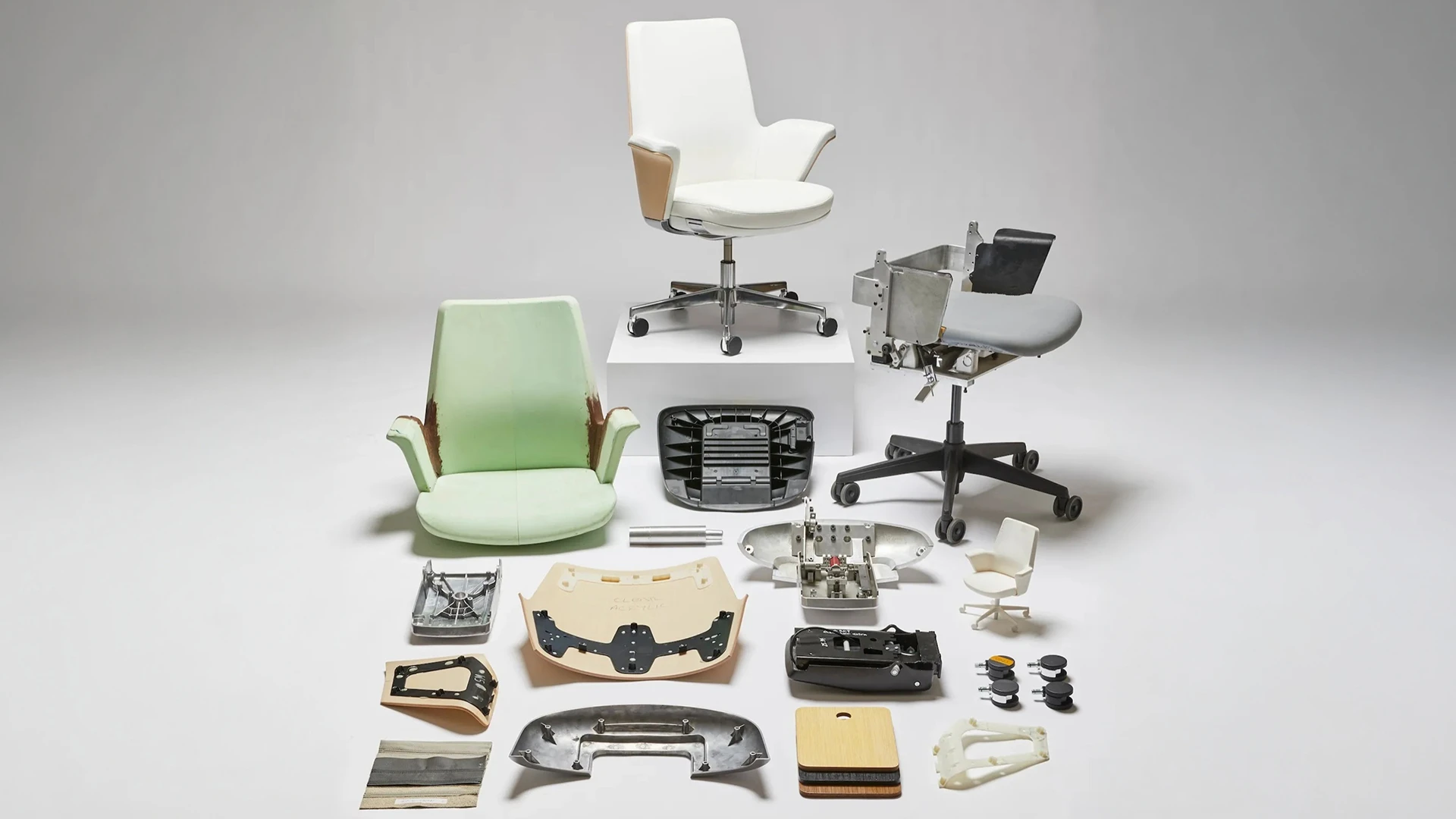
Humanscale's Refreshed Circular Economy Program fosters a second life for office furniture.
Humanscale, based in New York, is one example. Its Refreshed Circular Economy Program -- launched with the company’s iconic Freedom chair -- collects used furniture from corporate clients, refurbishes it in regional manufacturing facilities, and then returns the furniture to the market with a warranty.
Ultimately, extending product lifespans depends not only on good design, but also on the policies, infrastructure and cultural shifts that make repair accessible, desirable and economically viable.
Circular Business Models: Building Infrastructure for Reuse
Rethinking the longstanding core business model of the furniture industry is another key to extending the life of furniture. In a circular economy, furniture is no longer treated as a disposable product -- sold once -- but as an asset that can circulate through multiple users, spaces and life cycles.
Denmark-based NORNORM, for instance, offers office furniture through a circular subscription model rather than typical ownership. It’s more like renting rather than purchasing furniture. The company delivers, maintains, replaces, repairs, collects and refurbishes products as workplace needs evolve. Every piece carries a digital ‘circular passport’ that tracks its history, including materials and maintenance, throughout its lifecycle. By prioritizing reuse, NORNORM estimates its model can reduce CO2 emissions by up to 70% compared to conventional furniture purchasing.
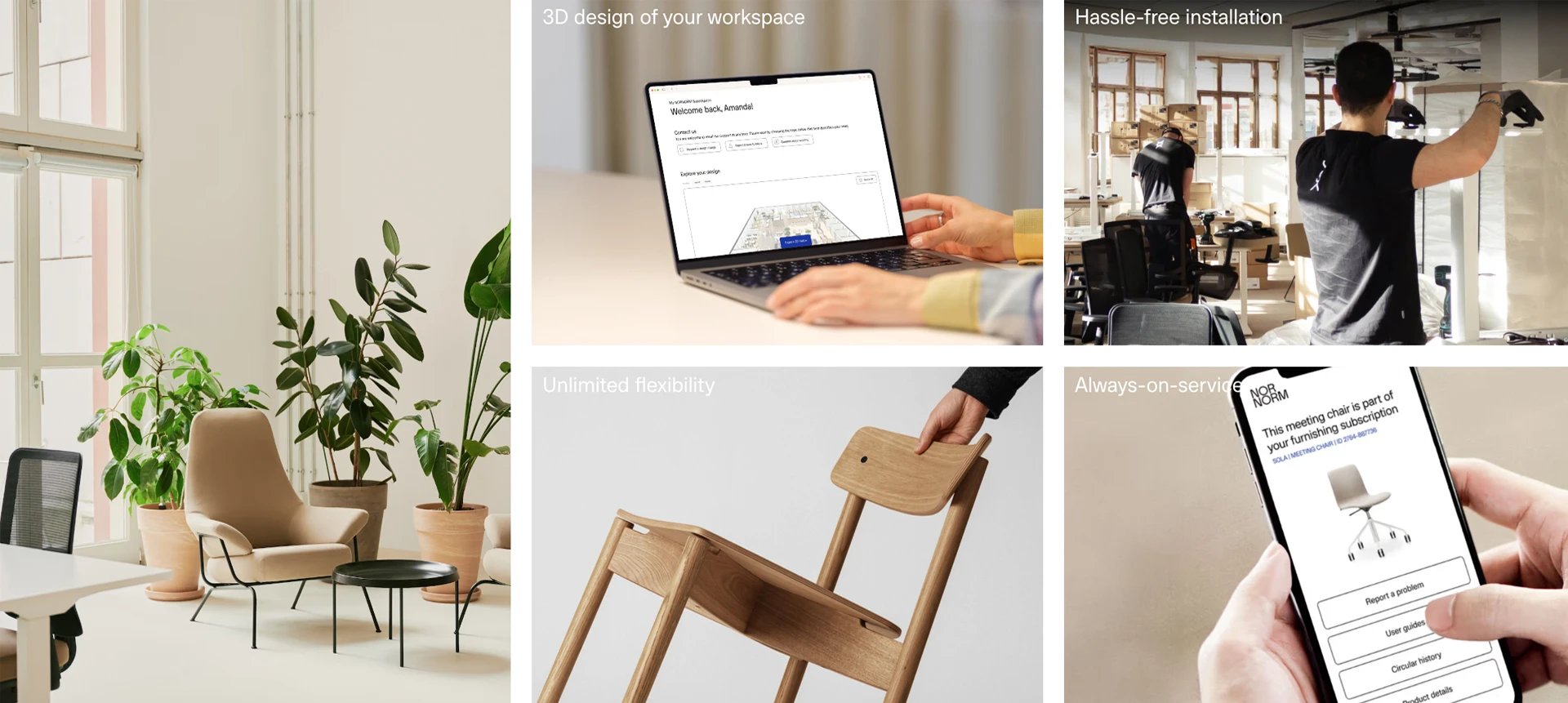
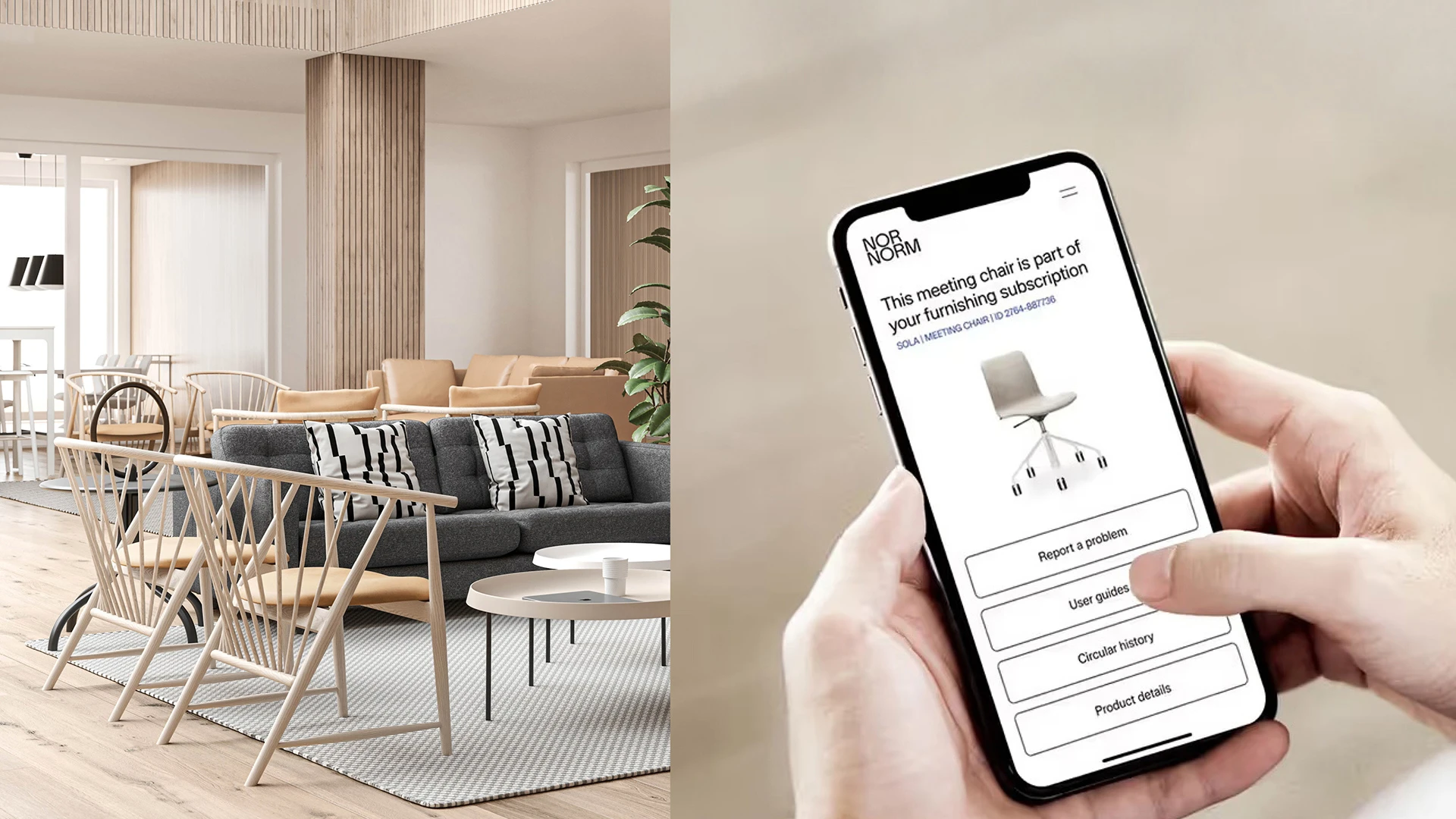
NORNORM furniture is reused across multiple workspaces. Most pieces are pre-loved and refurbished.
Green Standards has a similar approach. This North American company focuses on redistributing surplus office furniture and equipment. Working with corporations, government departments and other large outfits as they relocate offices, Green Standards redirects furniture to non-profit organizations through resale, donation, recycling and reuse.
The ultimate aim is to hugely reduce landfill disposal. To date, Green Standards has achieved a 98.6% landfill diversion rate across more than 2,000 projects -- while redistributing furniture to over 17,000 nonprofit organizations.
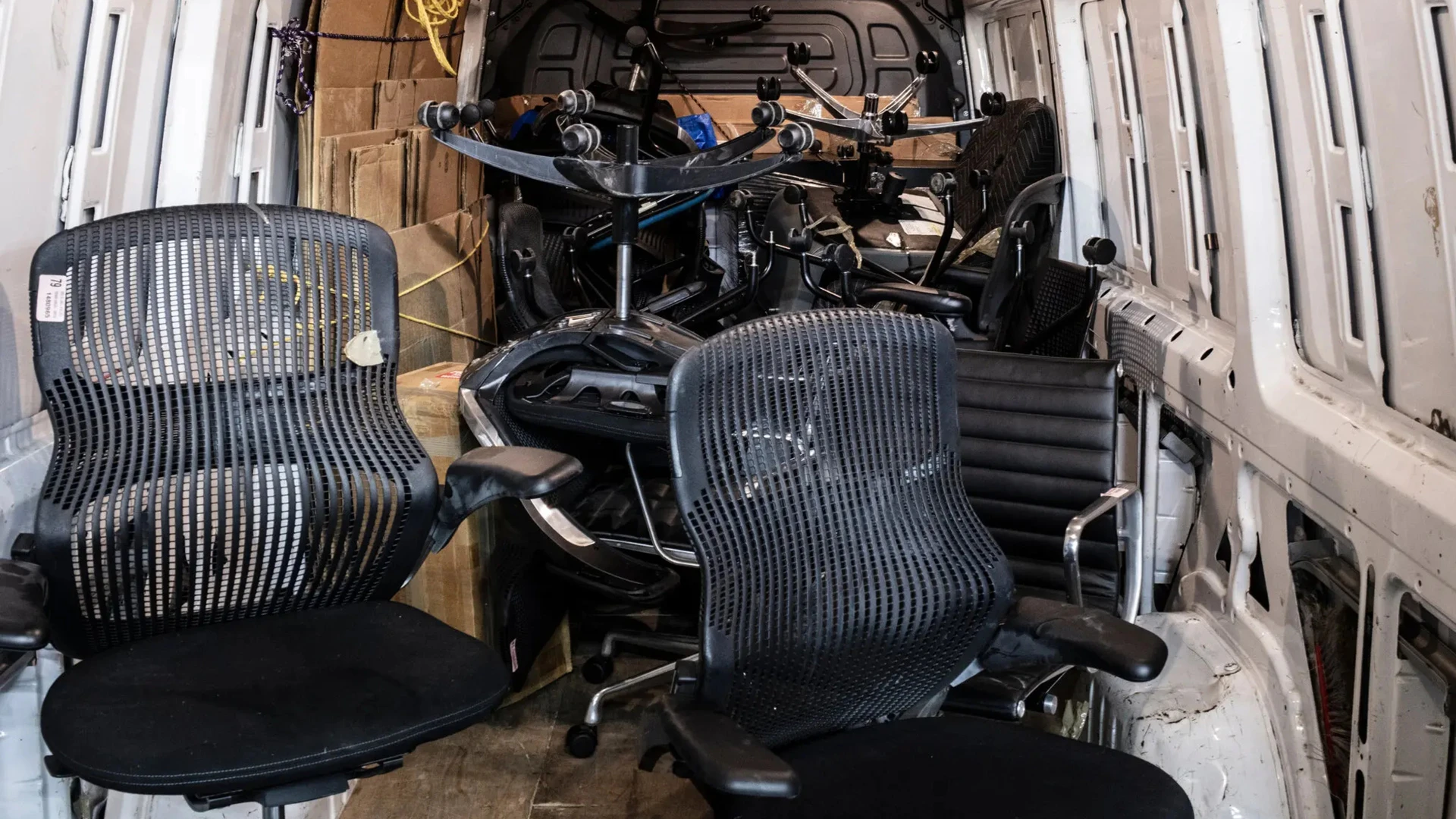
Green Standards achieves a 98.6% landfill diversion rate on corporate real estate projects.
Circular Communities: Atlanta and Empty Stocking Fund
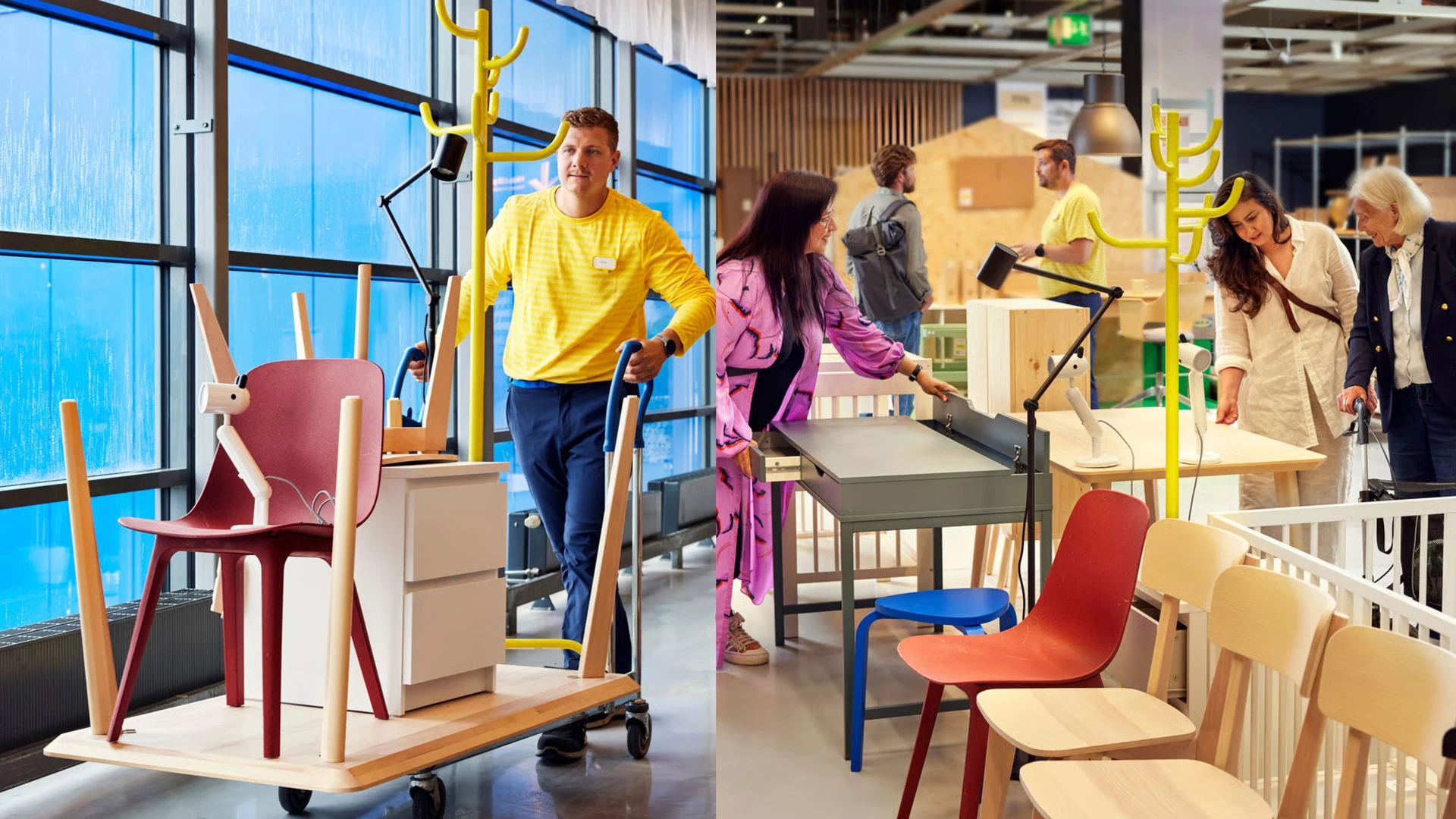
IKEA’s ‘Buyback & Resell’ service also encourages customers to return gently used furniture. Available in the US market, the program offers store credit in exchange for used IKEA products, which the company then resells to its customers looking for a lower price point. By creating its own resale system, IKEA extends product lifespans while making lower-cost, second-hand furniture more accessible and mainstream.
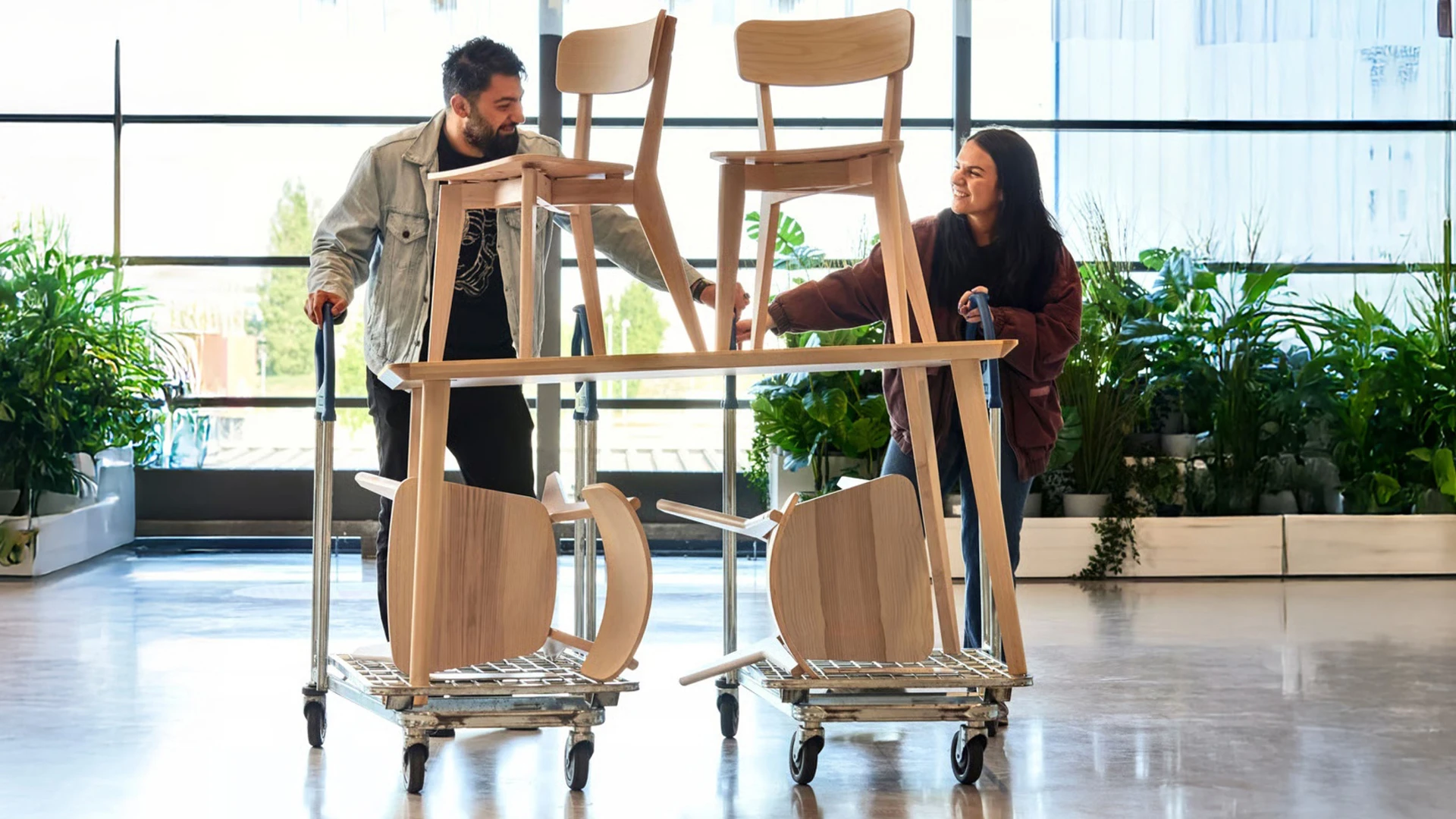
At the exchange & returns station, IKEA assesses the condition of customer furniture and offers a price value for its return.
Similarly, AptDeco -- an online marketplace for buying and selling furniture across the United States -- serves both individual sellers and businesses. Both boutique shops and large retailers can list their overstocked or returned inventory on AptDeco. This improves customer retention as well as helps the company reach a new demographic of clients. The company also quantifies the environmental benefits of resale, allowing users to track the CO2 emissions avoided through buying or selling furniture.
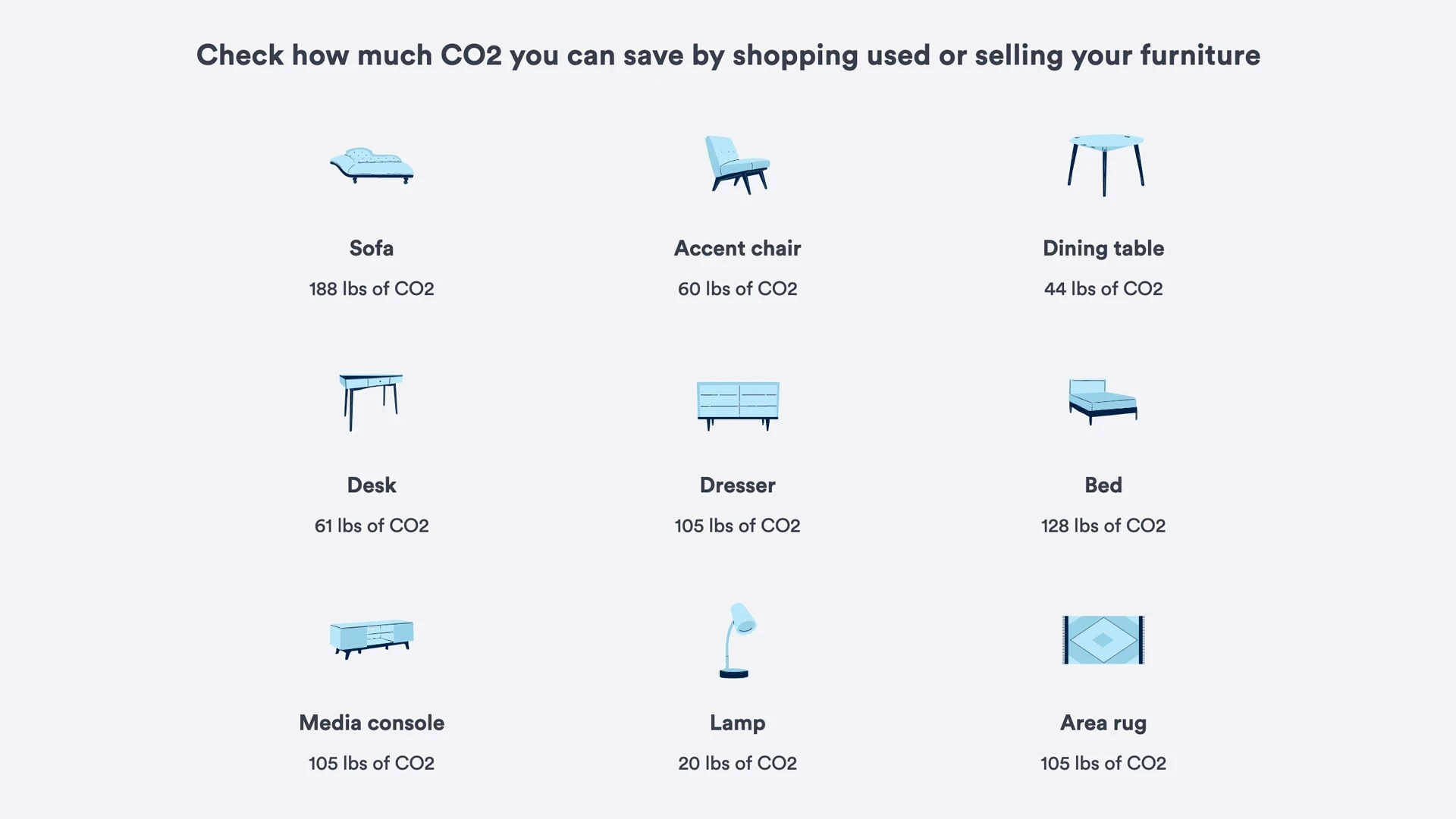
AptDeco details the amount of CO2 buyers can save by shopping used or selling their furniture.
Together, these business models demonstrate that circularity depends not only on better products, but also on the systems, services and infrastructure that keep furniture in use for longer and hold manufacturers accountable.
Closing the Loop: Designing Beyond Disposal
Furniture and materials will eventually reach the end of their usable life -- even with durable design, repair systems and circular business models, the challenge then becomes how to recover valuable resources rather than tossing them -- into the trash, landfill or incineration.
Designing to allow components to be recycled, regenerated or transformed into new products -- referred to as ‘Closing the Loop’ -- reduces the need for virgin resource extraction.
One example is Steelcase, which is rethinking manufacturing waste as a recoverable resource. In collaboration with paint supplier PPG, Steelcase developed a system to reclaim and reuse excess powder-coat paint generated during production.
This initiative reduces paint waste by 91%, recovering approximately 97,000 pounds of material annually that would otherwise be discarded. Steelcase demonstrates how circular thinking can be applied not only to finished furniture products, but also to the manufacturing processes behind them.
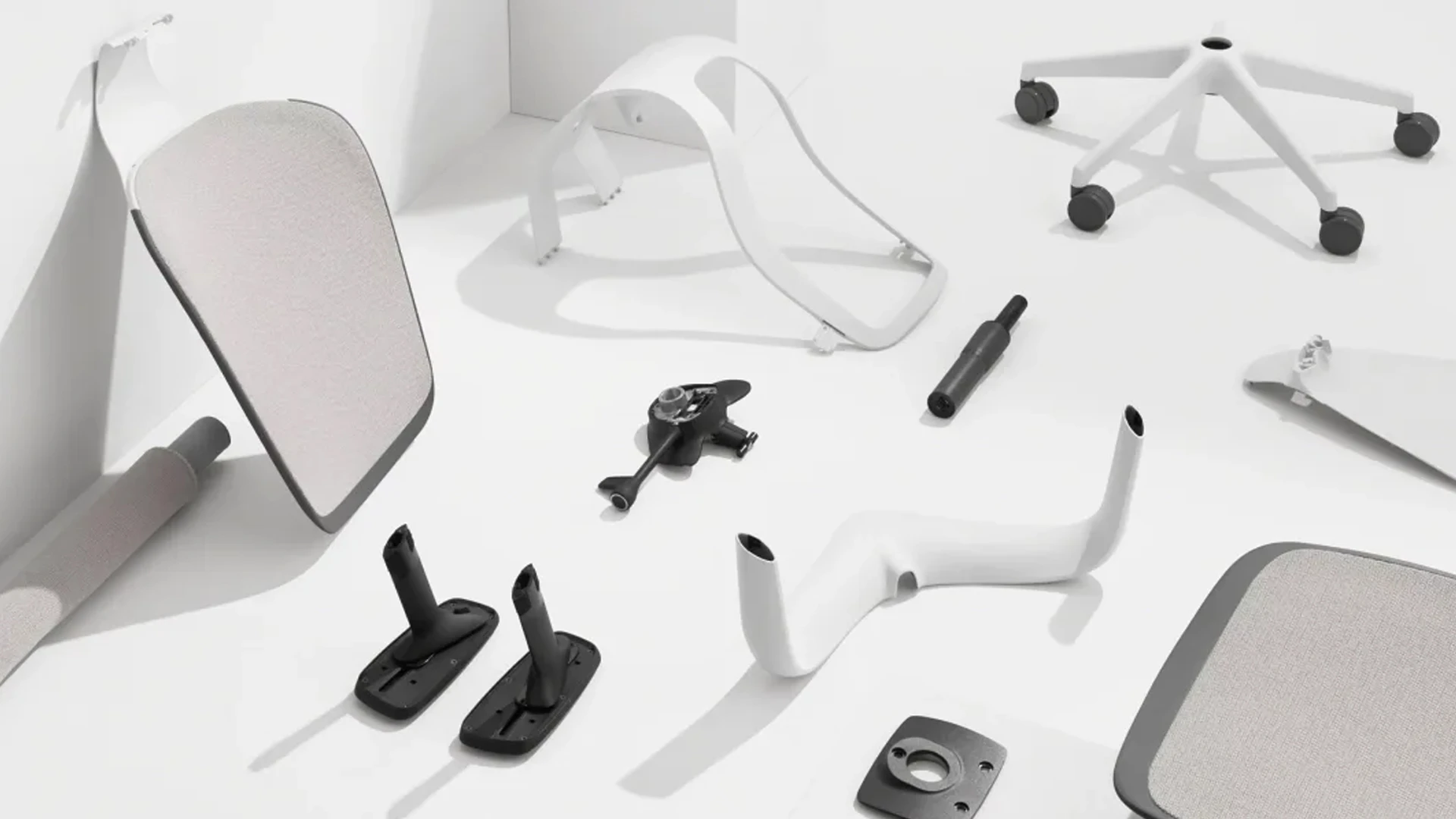
Circular by Steelcase: Remade chairs maintain their original durability, functionality and comfort, and come with a 12-year warranty.
A more advanced example of closed-loop material recovery can be seen in Tarkett’s carpet tile recycling program in the Netherlands. The company developed a system capable of separating carpet tile yarn from backing materials while maintaining high material purity. Recovered nylon is then regenerated into new ECONYL® yarn, while the backing is recycled into new backing materials without loss of quality.
Designed for disassembly from the outset, Tarkett’s EcoBase carpet tiles show how products can be intentionally created to support multiple material life cycles. This project offers valuable lessons for the furniture sector and broader interiors industry.
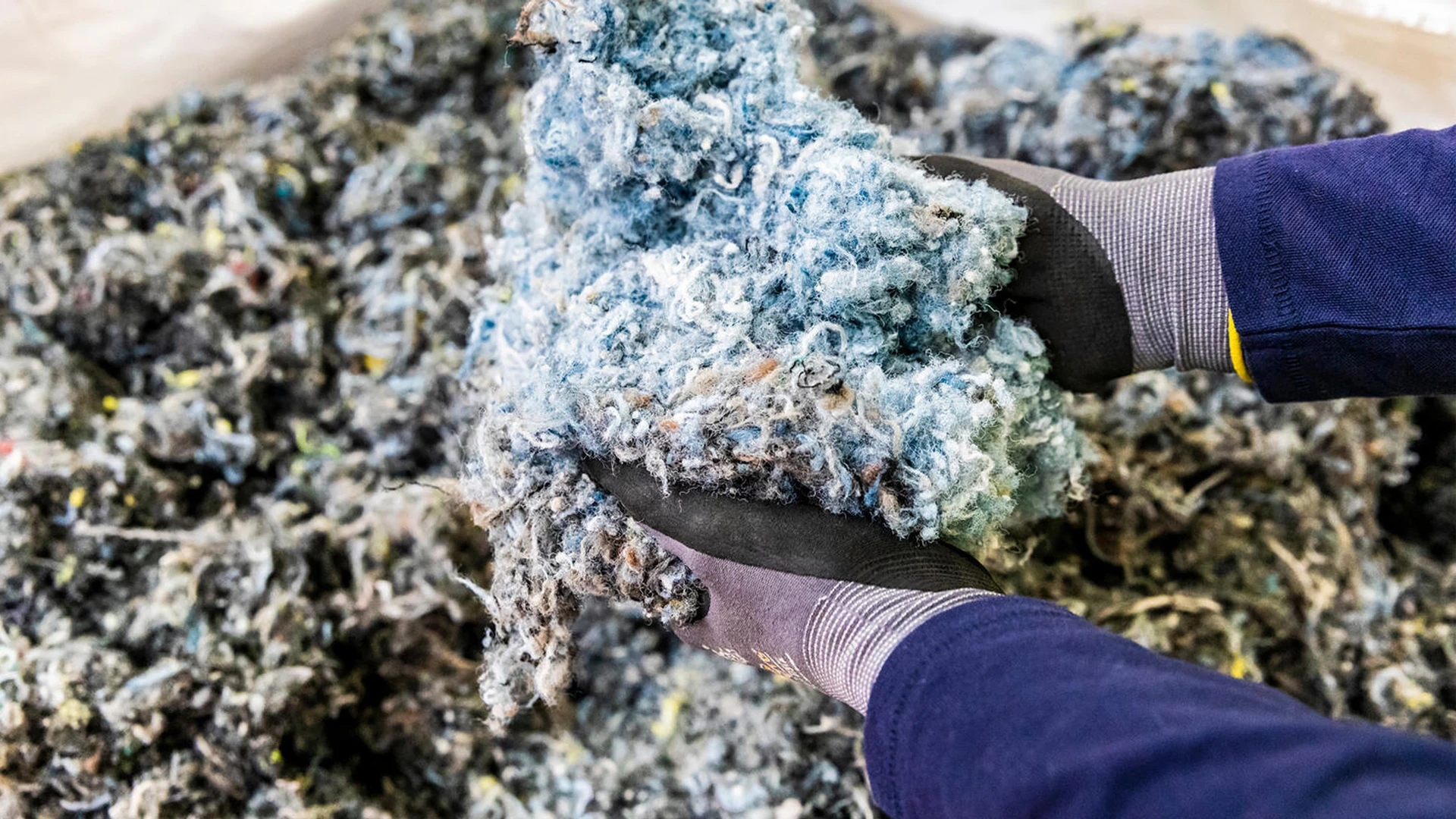
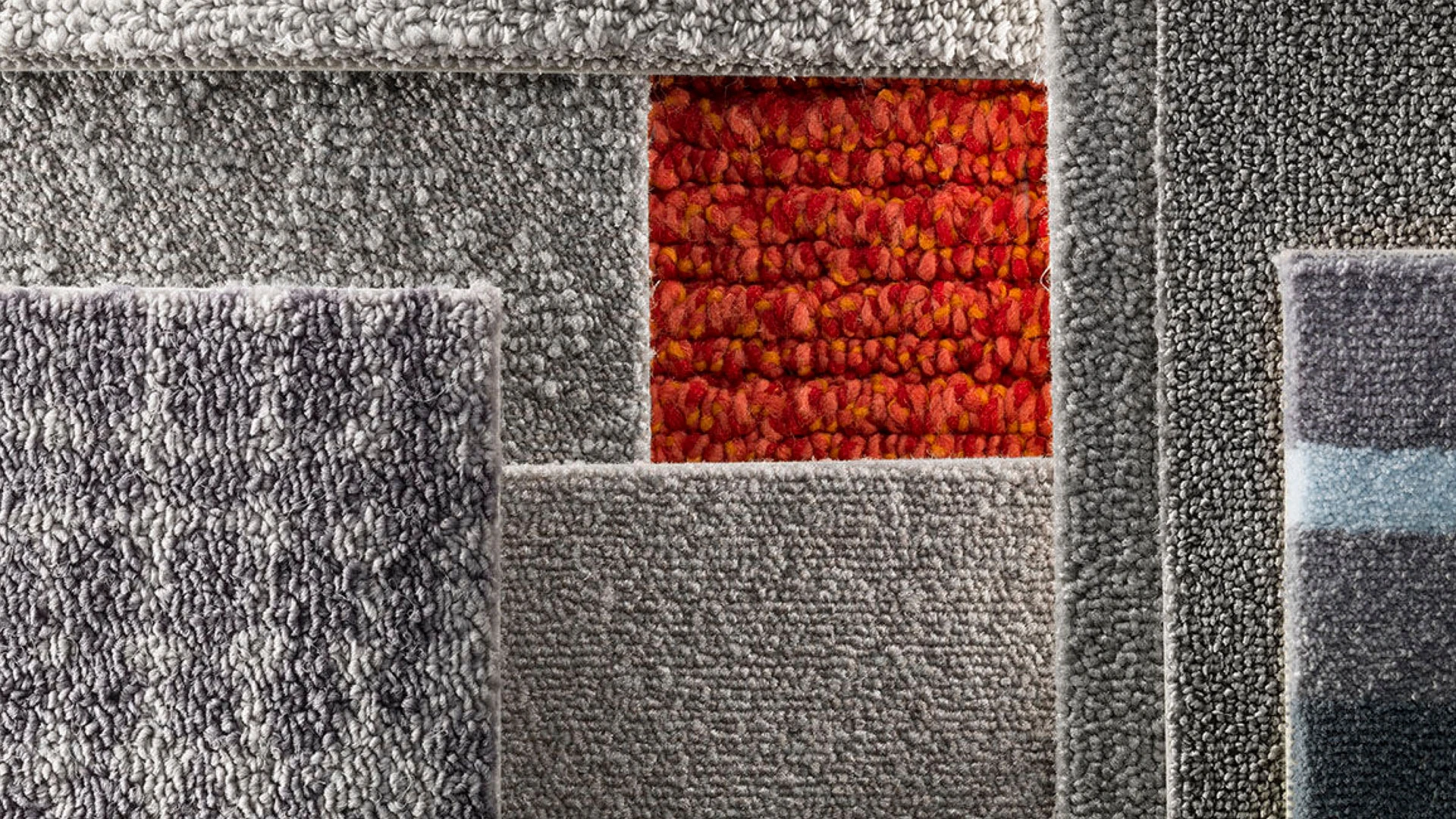
EcoBase is the backing layer used in Target carpet tiles. It is 100% recyclable and designed to be reused, helping reduce waste.
The Lumo sofa provides another good case for closing the loop using recyclable and biodegradable materials. The sofa -- produced by Friedrich Gerlach -- combines 3D-printed timber with EconitWood, which is a natural mineral binder designed to dissolve harmlessly in water over time. This is in distinct contrast to conventional wood composites that are bound with plastics or synthetic resins.
Gerlach also incorporated a removable wool seat made entirely from natural fibers, allowing the sofa’s components to biodegrade safely at the end of their life cycle.
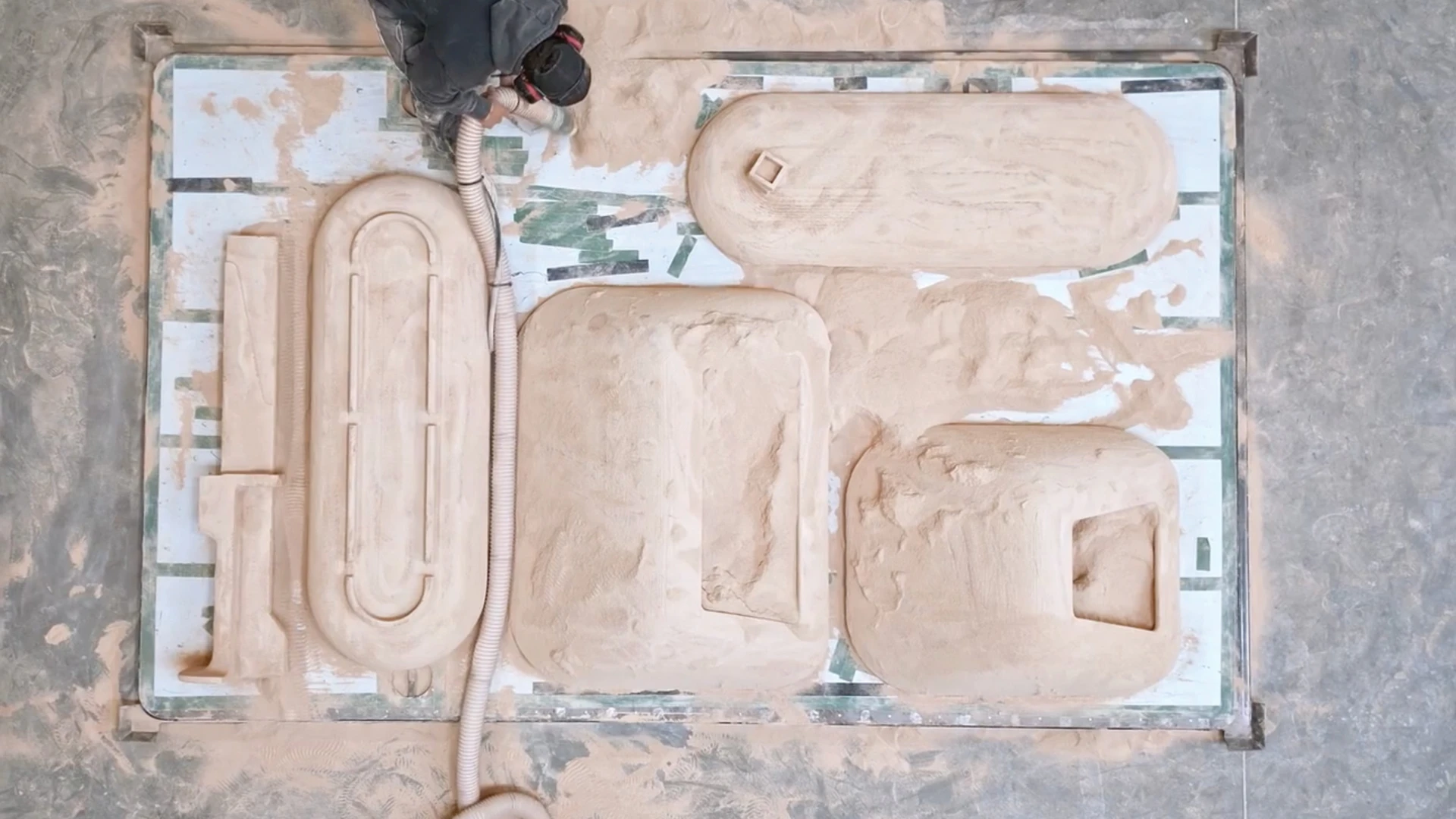
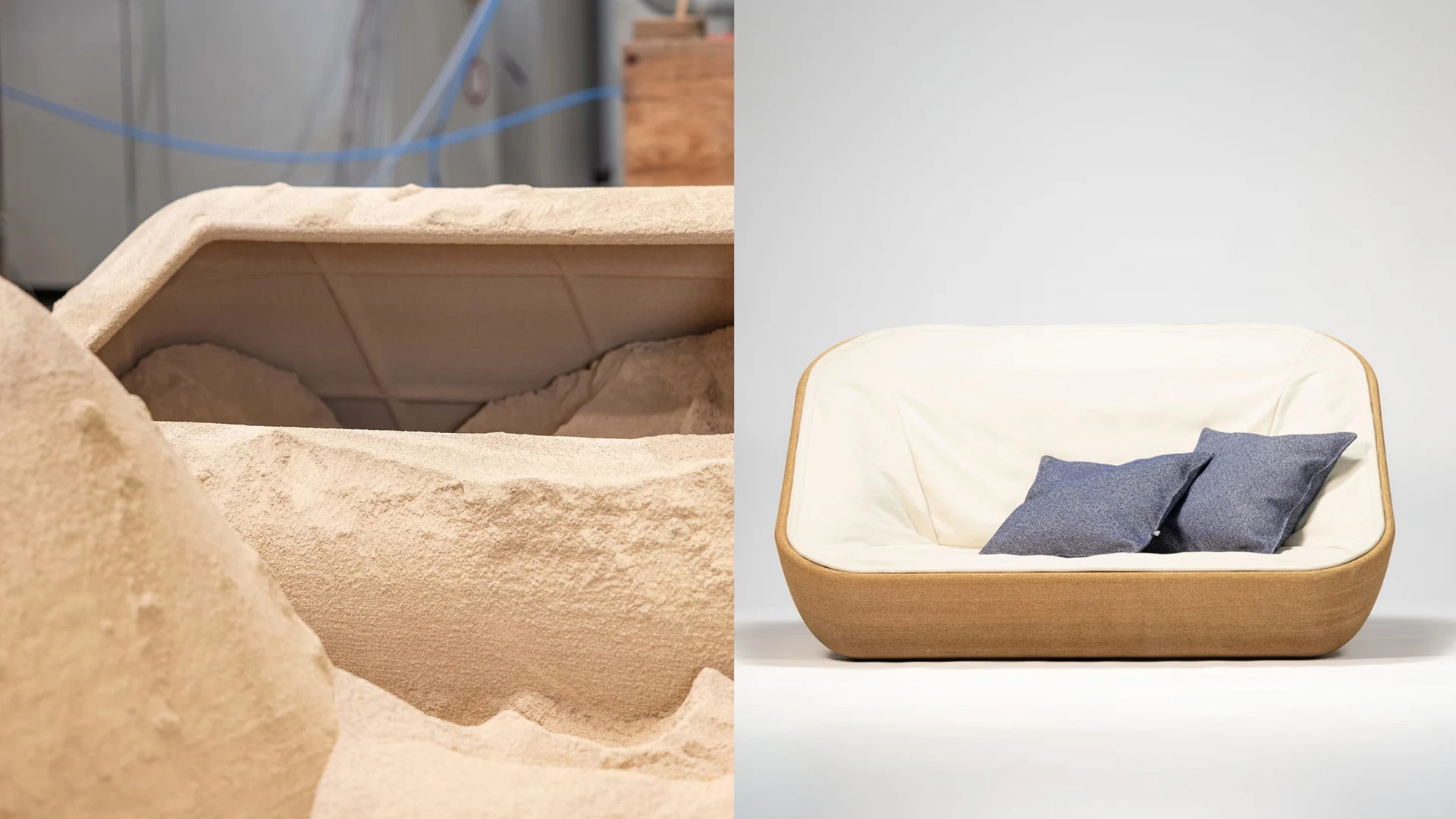
The Lumo sofa is made of 3D-printed-wood, and is entirely disassemble-able and biodegradable.
The ‘Back to Dirt’ project by Aléa Work presents a more experimental and ‘out there’ vision of regenerative design. The studio grows furniture prototypes underground using waste materials and Pleurotus mycelium -- allowing biological processes to shape the final object.
Rather than treating decay as failure, the project embraces growth, decomposition and material transformation as part of a product’s lifecycle. Once no longer usable, the pieces can safely return to nourish the soil rather than pollute. For more on regenerative design, read our Changemaker interview with PROWL Studio.
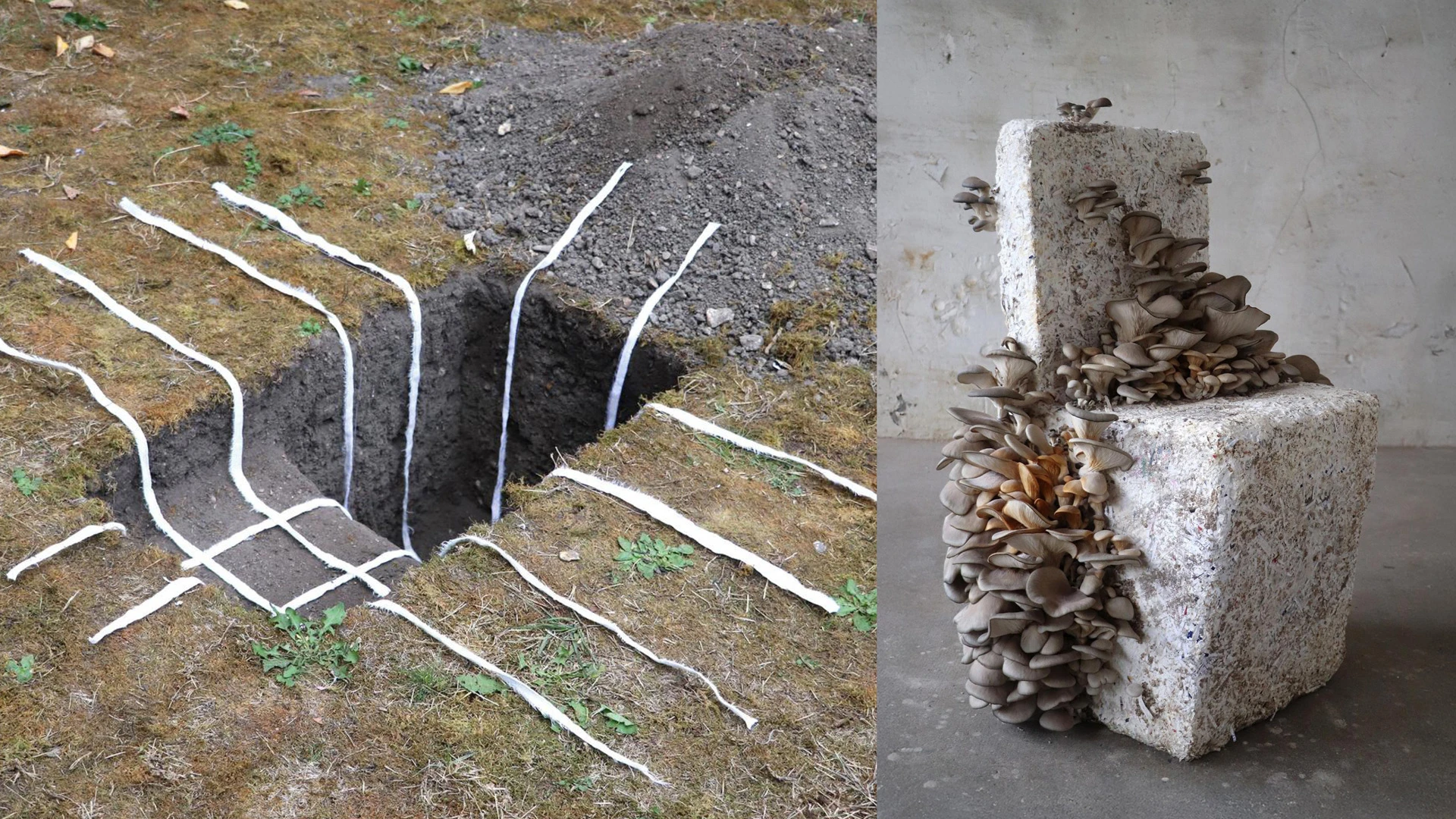
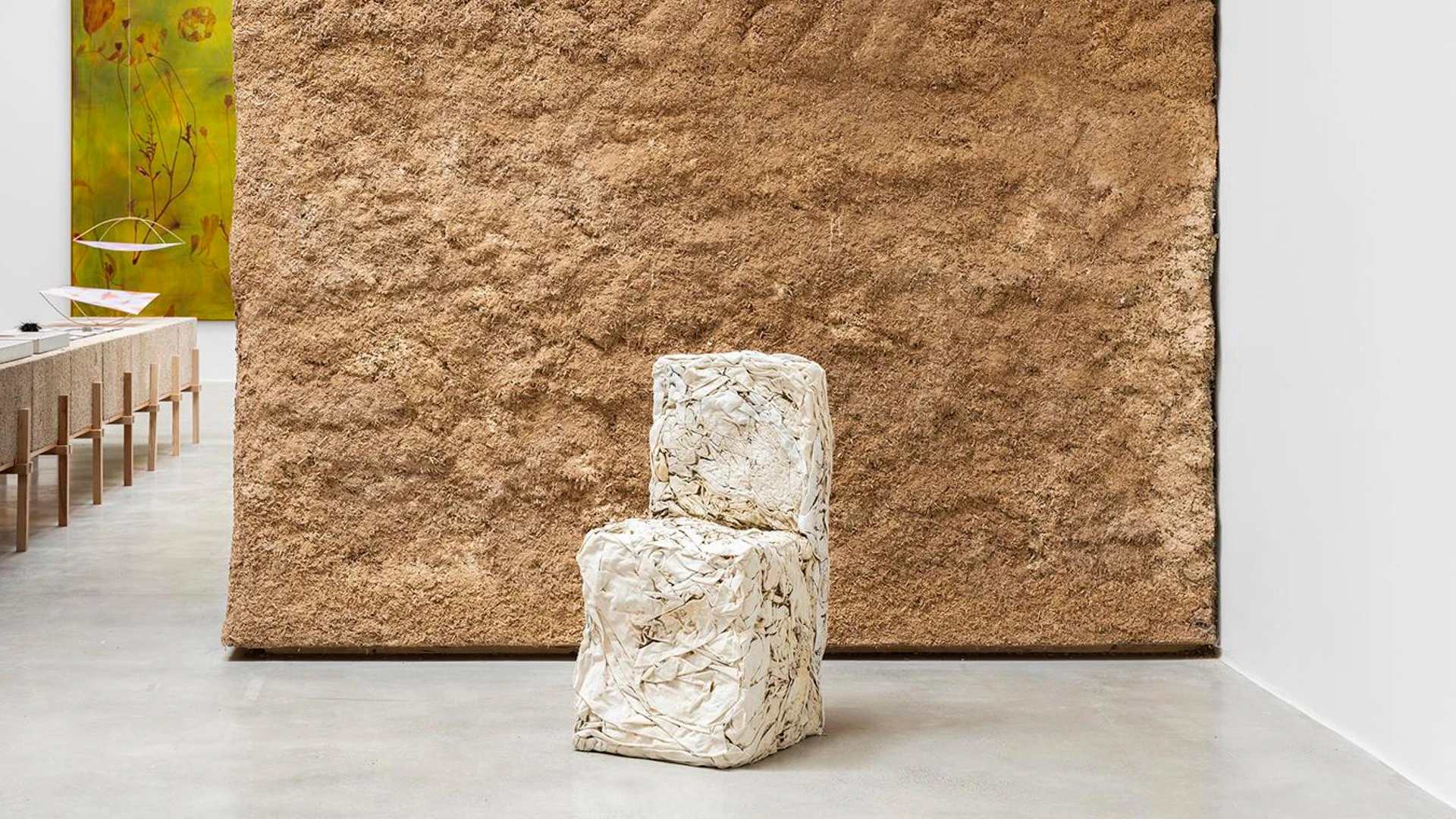
The ‘Back to Dirt’ project explores myco-fabrication, using mycelium -- the root structure of fungi -- to transform organic waste into materials.
Similarly, New York-based Terreform ONE and Genspace developed Mycoform benches using mushroom-based materials that are fully compostable at the end of use. These benches are made from mycelium grown on agricultural by-products and finished with bacterial cellulose. This demonstrates how furniture can be cultivated through low-energy biological processes rather than manufactured by industry.
Once discarded, the material naturally biodegrades and safely returns to the environment. Like Back to Dirt, Mycoform points toward a future in which furniture is no longer designed to ultimately become waste, but as part of a regenerative material cycle connected to nature itself.
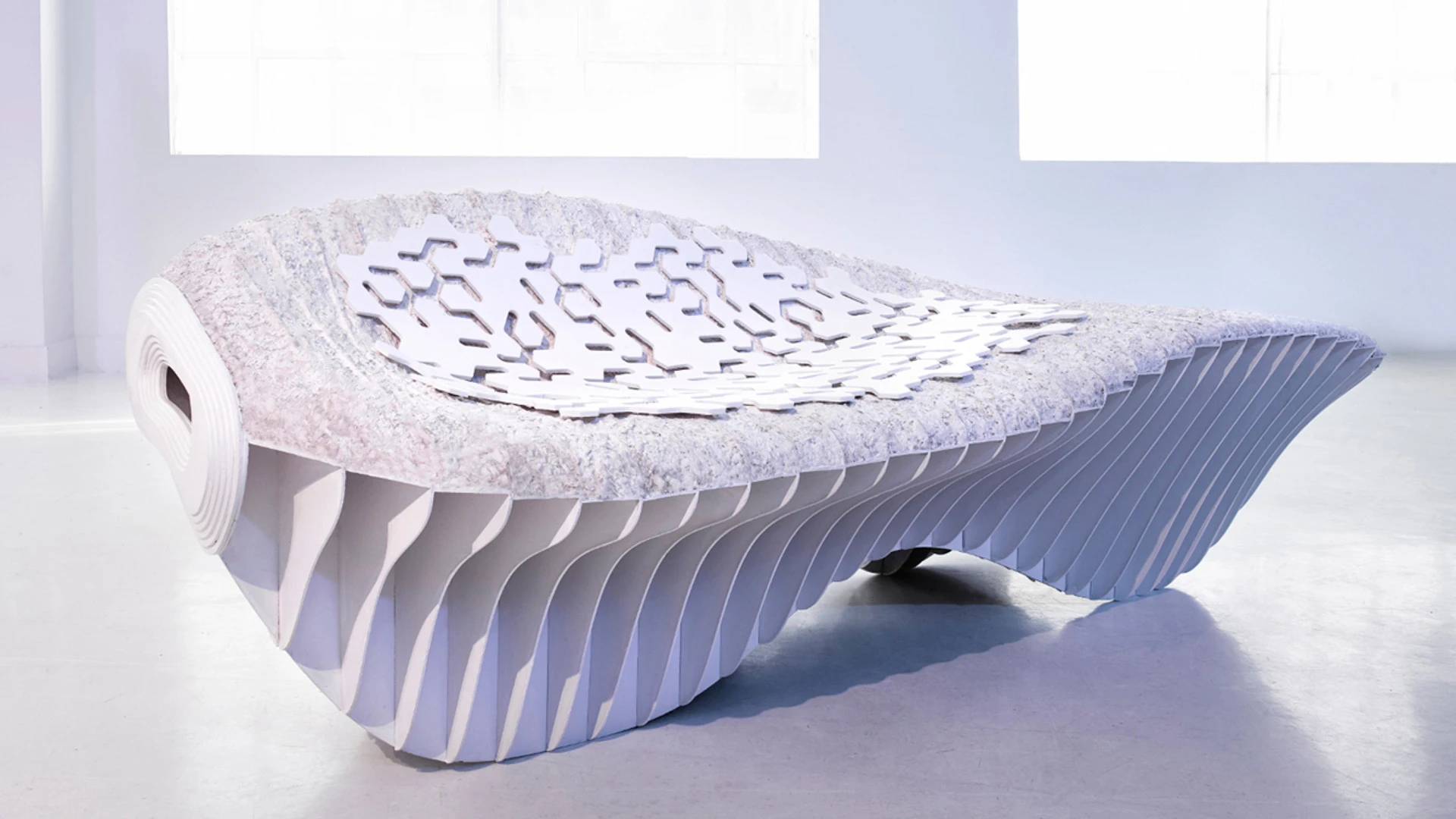
The chaise longue is composed of 100% compostable material derived from mushrooms and other biological components. Its design is a series of parametrically-shaped white ribs topped with a cushion.
Designing for longevity, enabling repair, developing circular business models and closing material loops are interconnected strategies that challenge the logic of fast furniture and premature obsolescence. The projects featured throughout this article show that a more circular furniture industry is already emerging.
At the same time, this transition is unfolding within a contradictory political and economic landscape. While circularity and decarbonization gain momentum across parts of the design industry and within European policy, recent shifts in US public policy are moving in the opposite direction, reinforcing extractive and high-consumption industrial models.
Sustainability cannot rely on isolated products or marketing claims alone. It requires long-term investment in repair infrastructure, material innovation, local manufacturing, public policy and cultural change.
Join the conversation by sharing YOUR circular projects, practices and ideas that are helping to reshape the future of furniture. Email us at [email protected]. We’d love to hear from you, and promise to respond.
>>> Read the other articles in the 'Long Live Furniture!' series HERE.
SOURCES
- Is design furniture really built to last?
- FAST FURNITURE, what is it and what are its impacts on you and our planet?
- Designing With What Already Exists
- Designing for Longevity - Floyd Explores Modular, Sustainable Furniture Built to Last
- Success Story: How Resale Helps Floyd Cut Carbon Emissions, Extend Furniture Lifecycle
- Dive Into the Incredibly Satisfying Art of Japanese Wood Joinery
- Japanese Woodworking: The Zen Philosophy of Building Without Nails
- Stack by studio MOTO
- ABLE | Blå Station
- Repair Cafe
- Repair Cafe US
- Directive on repair of goods: Promoting repair contributes to sustainable consumption
- Humanscale launches first branded online store for refurbished office furniture
- Furniture-as-a-Service
- Green Standards: Office Furniture Donation, Resale & Recycling
- IKEA Buyback & Resell Service
- AptDeco: how it works
- Circular by Steelcase
- DESSO EcoBase® - Tarkett
- Lumo Sofa System Add Wood - Friedrich Gerlach
- Research and prototyping into the underground fabrication of a mycelium chair
- Terreform ONE's Biological Benches Question Traditional Manufacturing Methods